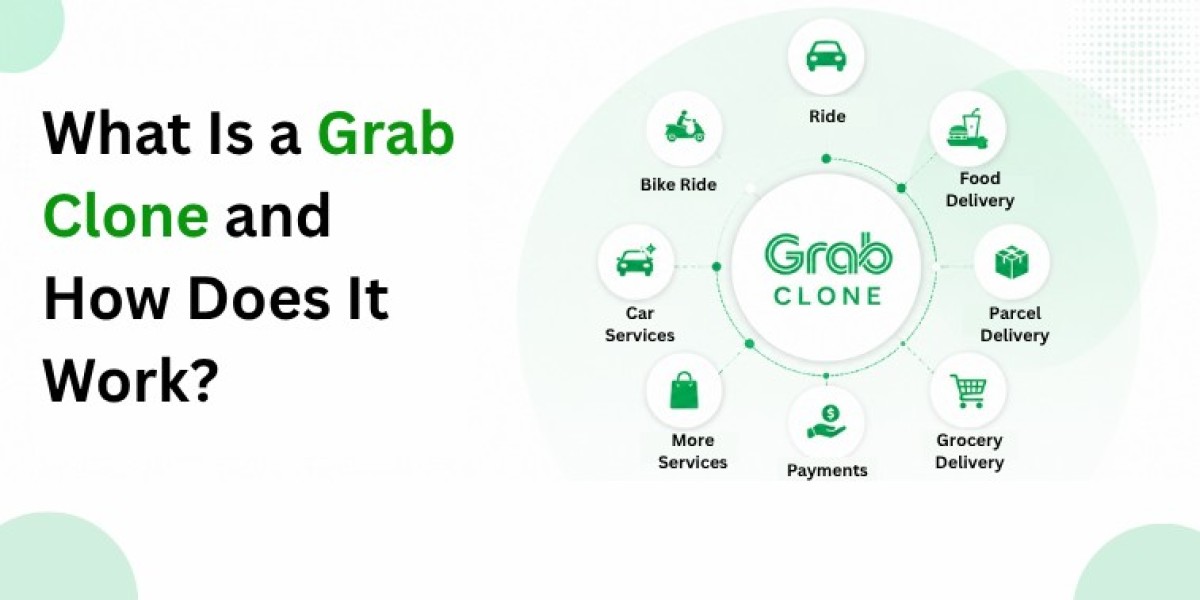
In today's fast-paced world, on-demand services have transformed the way we access various necessities, from transportation to food delivery. One prominent player in this landscape is Grab, a leading app that combines multiple services into a single platform. As demand for similar solutions grows, entrepreneurs are turning to Grab clones—apps designed to replicate the functionality and success of Grab. This article delves into what a Grab clone is, how it operates, and the implications of adopting such a platform in the competitive on-demand market. By exploring key features, benefits, challenges, and future trends, we aim to provide a comprehensive understanding of Grab clones and their role in shaping the future of service delivery.
Understanding Grab Clones: Definition and Overview
What is a Grab Clone?
A Grab clone is essentially a replica or a look-alike of the popular Grab app, which provides various on-demand services like ride-hailing, food delivery, and even parcel delivery. Think of it as the "designer knock-off" of the on-demand world, where entrepreneurs aim to capture a slice of the lucrative gig economy pie without reinventing the wheel. These clones come pre-loaded with features and functionalities that mirror those of the original Grab app, making it easier for new businesses to jump into the game without starting from scratch.
Comparison with Other On-Demand Apps
Grab clones sit in a unique spot on the on-demand app spectrum. While apps like Uber focus primarily on ride-hailing, Grab clones often bundle multiple services under one roof, offering transportation, food delivery, and even payment solutions. This multi-service model gives Grab clones an edge in markets where users appreciate the convenience of a one-stop-shop. So, while Uber may have the cool factor, Grab clones may just have the convenience factor down to a science!
The Rise of On-Demand Services: Market Demand for Grab Clones
Consumer Trends and Preferences
Today's consumers are pampered with choices and crave immediacy. From getting their favorite sushi delivered in under 30 minutes to booking a ride with just a tap, the on-demand service culture has fueled a shift in consumer expectations. They prefer platforms that offer multiple services in one app—because who enjoys switching between different apps more than they need to? Grab clones, with their multi-functionality, are riding this wave of convenience and are quickly becoming the go-to solution.
Market Statistics and Growth Projections
The on-demand service market is buzzing louder than a caffeinated bee! Recent studies show the industry is projected to reach over $335 billion in just a few years. With an ever-increasing smartphone user base and more entrepreneurs jumping on the Grab clone bandwagon, growth rates look bright. As people continue adopting these services, the demand for Grab clones will likely surge, making them a hot commodity for aspiring business owners.
Key Features of a Grab Clone App
User Interface and Experience
A smooth user interface (UI) can make or break an app. Grab clone apps prioritize user experience (UX) to ensure customers can navigate seamlessly from booking to payment. Think sleek design, easy-to-read fonts, and buttons big enough for our not-so-limber fingers! If you want users to keep coming back, make sure their experience is as delightful as a triple chocolate fudge cake!
Essential Functionalities for Drivers and Riders
For the app to succeed, it needs to cater to both drivers and riders. Essential functionalities include real-time GPS tracking, ride scheduling, and driver ratings—all designed to keep everyone happy (and safe!). Also, features like ride-sharing options, estimated fare calculations, and push notifications ensure that each party is always in the loop—because communication is key, folks!
Payment Integration Options
Gone are the days of fumbling through your wallet for cash. Grab clone apps make payments a breeze by integrating multiple options: credit cards, digital wallets, and even cash for those who prefer a more traditional approach. The easier you make the payment process, the less likely users will abandon their carts (or rides). It's like giving users a VIP pass to a hassle-free experience!
How Grab Clone Apps Function: A Technical Breakdown
Architecture of a Grab Clone App
The architecture of a Grab clone app typically consists of three main components: the user app, the driver app, and the admin dashboard. The user app handles everything from booking rides to making payments, while the driver app allows drivers to accept rides and manage their profiles. The admin dashboard, on the other hand, is where the magic happens behind the scenes—think of it as the control center where all data is monitored and analyzed.
Technology Stack and Development Frameworks
Building a Grab clone app requires selecting the right technology stack, and it's not as scary as it sounds! Most developers opt for a mix of programming languages and frameworks like Java, Swift, React Native, and Node.js. This tech cocktail ensures the app is robust, responsive, and ready to handle user traffic like a pro. With the right tools in hand, the only limit is your imagination!
Backend and Frontend Interactions
The backend and frontend of a Grab clone app must work in perfect harmony, much like a well-rehearsed dance duo. The frontend is what users see and interact with, while the backend handles the data processing and business logic, storing everything from user profiles to ride history. Efficient API communication between the two is crucial—think of it as the secret handshake that ensures everything runs smoothly without anyone stepping on anyone else's toes!
Benefits of Using a Grab Clone for Entrepreneurs
Cost-Effectiveness and Time Efficiency
One of the biggest perks of using a Grab clone is that it’s typically cheaper and faster than building an app from scratch. Picture it: instead of sweating over code like you're trying to solve a Rubik’s cube blindfolded, you can leverage existing frameworks. This means you get to save both your budget and your sanity. With quicker deployment, you can hit the market when trends are hot, not after they’ve cooled down to room temperature.
Customizable Features and Scalability
Grab clones aren’t just cookie-cutter copies; they offer a buffet of customizable features. Want to add a loyalty program? Go for it! Need a new payment gateway? No problem! As your user base grows, these clones can easily be scaled to accommodate increasing demand. In other words, whether you’re a small fish or a big whale, there’s enough room to swim!
Access to Established Market Demand
Launching a Grab clone means stepping into a world where people are already looking for the services you’re offering. It’s like opening a pizza shop in a neighborhood filled with pizza lovers. The demand is there; you just need to get people to take a bite of your unique slice. With a proven business model at your fingertips, you can tap into an audience eager for convenience at the push of a button.
Challenges in Developing and Launching a Grab Clone
Legal and Regulatory Considerations
Before diving headfirst into the Grab clone pool, remember that every market has its own legal shoes that need to fit. Regulatory hurdles can be about as fun as a root canal. From obtaining licenses to ensuring compliance with local laws, it's crucial to navigate this minefield carefully. You don’t want to launch your app only to find out it’s swimming in shark-infested legal waters!
Competition and Market Saturation
The on-demand app market is bustling—much like a crowded subway at rush hour. With multiple players already in the game, standing out can feel like trying to shout your way through a symphony. To succeed, you’ll need a killer marketing strategy and a unique value proposition that makes users pick you over the other guys.
Technical and Operational Hurdles
Even the best clones can face technical glitches that make you want to toss your computer out the window. From ensuring app stability to dealing with server issues, the technical side of things can be a bit murky. Plus, operational logistics like driver onboarding and customer support require a solid plan. Think of it as building a well-oiled machine—one missing cog, and things can get messy quickly.
Case Studies: Successful Grab Clone Implementations
Analysis of Leading Grab Clone Apps
Some Grab clone apps have hit the jackpot, capturing significant market share with innovative features and stellar user experiences. Companies like Gojek and Bolt didn’t just replicate; they localized their offerings and tailored services to meet the specific needs of their users. Studying their strategies can provide invaluable insights on what works—and what doesn’t—in this competitive landscape.
Lessons Learned from Successful Launches
From the successes of these apps, some golden nuggets of wisdom emerge. Key takeaways include the importance of user feedback, the value of offering diverse services beyond just ride-hailing, and maintaining a strong focus on customer service. Adapting to market demands while staying true to your brand can set the stage for a successful launch, even in a saturated market.
Future Trends in the On-Demand App Market
Emerging Technologies and Innovations
As technology advances at breakneck speed, the on-demand app market is rife with possibilities. From AI-driven customer service bots to blockchain for secure transactions, staying ahead of the curve could be the key to your Grab clone’s success. Integrating emerging tech not only improves user experience but can also streamline your operations, making managing your app feel like a walk in the park.
Predictions for the Evolution of Grab Clones
Looking ahead, the evolution of Grab clones is likely to be marked by more personalized experiences, sustainable practices, and expansion into new verticals like food delivery, grocery services, or even healthcare. As consumer attitudes shift towards convenience and social responsibility, the apps that adapt and innovate will be the ones to watch in the years to come. Buckle up, because the ride is only going to get more exciting!In conclusion, Grab clones represent a significant opportunity for entrepreneurs looking to capitalize on the burgeoning on-demand service market. By understanding the intricacies of these applications and the demands of consumers, businesses can effectively position themselves for success. While there are challenges to navigate, the potential rewards of launching a well-designed Grab clone are substantial. As technology continues to evolve and consumer preferences shift, staying informed about industry trends will be crucial for anyone considering entering this dynamic landscape.
Frequently Asked Questions (FAQs)
1. What are the main differences between a Grab clone and the original Grab app?
A Grab clone is a replica of the Grab app that may offer similar functionalities but can be customized to meet specific market needs, branding, and user preferences. While both serve the same purpose of providing on-demand services, a Grab clone may differ in features, pricing, and user experience based on the developer's choices.
2. How much does it cost to develop a Grab clone app?
The cost of developing a Grab clone app can vary significantly based on factors such as feature complexity, technology stack, and development team location. Generally, the cost can range from a few thousand to several tens of thousands of dollars, depending on the desired level of customization and functionality.
3. Are Grab clones legal to operate?
Yes, Grab clones can be legal to operate as long as they comply with local regulations and licensing requirements. It’s essential for developers and entrepreneurs to research and adhere to applicable laws in their target markets to avoid legal issues.
4. What features should I prioritize when developing a Grab clone?
Key features to prioritize when developing a Grab clone include user-friendly interface, real-time tracking, payment gateway integration, multi-service options (like ride-hailing, food delivery, etc.), rating and review systems, and robust admin panel capabilities for managing operations effectively.