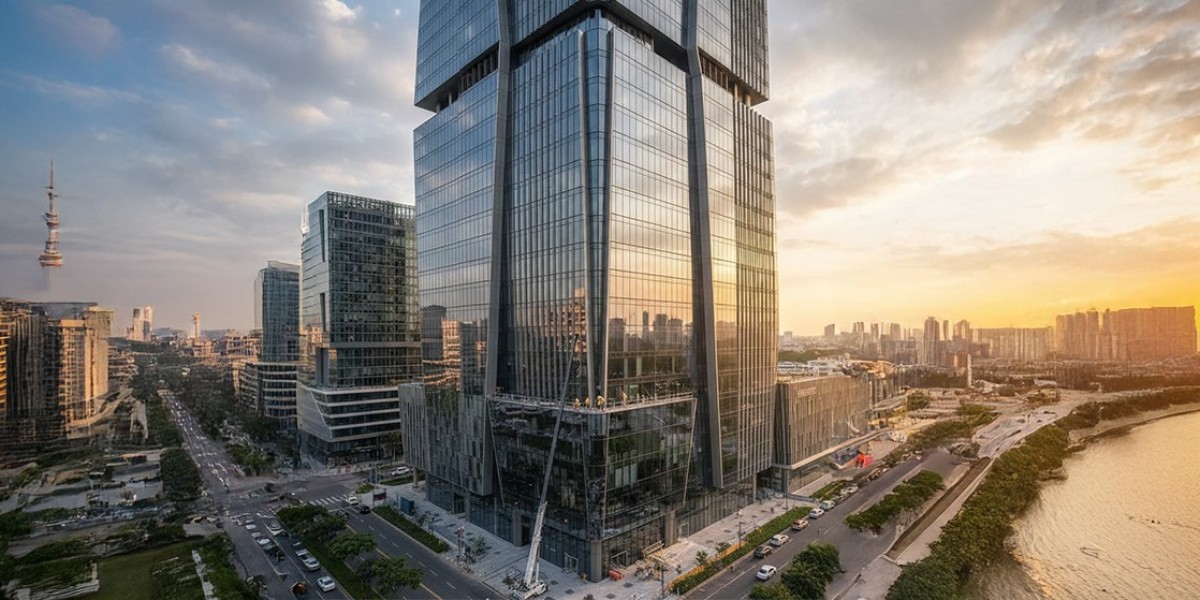
Modern buildings are expected to look good, perform well, and last long. The facade plays a big role in all three areas. It affects how a building looks from the outside, how much daylight enters, how much energy it consumes, and even how safe it is.
Because facades have become more complex with larger glass panels, new materials, and performance standards, professional facade engineering is now essential. It ensures that the structure is not just attractive, but also durable, efficient, and safe.
This is why developers and architects increasingly rely on expert facade manufacturers and engineering teams to guide them through design, testing, and execution.
What Is Facade Engineering?
Facade engineering is the technical process of designing, testing, and delivering the exterior skin of a building. It includes everything from choosing materials to ensuring they perform reliably in different environmental conditions. It is about understanding how these components behave structurally, thermally, acoustically, and aesthetically.
A professional facade engineer ensures that elements such as curtain walls, cladding, skylights, glazing systems, and aluminium facades work together without creating issues like water leakage, cracks, or energy loss. These urban buildings cannot rely on basic design only. They need precision, calculation, and real-world testing, which only trained specialists can provide.
Key Roles of Facade Engineers in Modern Construction
1. Structural Performance: Ensuring Safety & Stability
Professional facade engineers make sure the facade can safely handle wind loads, seismic activity, and temperature changes. They analyze the structure and calculate how materials will behave under pressure.
This prevents failures such as panel displacement or bending. With increasing building heights and larger spans of glazing, this structural expertise becomes even more important.
2. Energy Efficiency & Thermal Performance
Modern facades must reduce heat gain, support insulation, and improve natural light.
Engineers use the right glass type, shading devices, and framing systems to make the building energy-efficient. This has a direct impact on air-conditioning loads and overall comfort.
Today, most builders expect facades to meet energy codes, which is only possible with technical engineering inputs.
3. Water, Air, and Weather Resistance
One of the biggest challenges for any exterior system is keeping water and moisture out.
Professional engineers design joints, drainage paths, and sealants that prevent seepage even during extreme weather.
They also ensure the building has proper air tightness to avoid dust penetration and maintain indoor quality.
4. Aesthetic & Architectural Integration
Facade engineers work closely with architects to translate design intent into practical solutions.
They help choose the right materials, finishes, and systems that match the aesthetic vision without compromising performance.
Whether it is a minimal glass facade or a complex aluminium feature wall, engineering ensures the final look is clean, stable, and long-lasting.
4. Why Professional Facade Engineering Is Essential?
1. Better Design Accuracy & Reduced Site Errors
With professional engineering, every facade component is designed, modelled, and tested before production. This reduces errors during installation and prevents costly rework.
Today’s exterior facade solutions manufacturer rely heavily on engineering because accuracy is critical when working with glass, aluminium, and large modular panels.
2. Optimized Material Selection & Cost Efficiency
Facade engineering helps developers choose materials that are durable and cost-effective.
For example, the right aluminium system or glass type can drastically reduce long-term maintenance.
Engineers also optimize the thickness of materials so the building is safe without unnecessary cost.
3. Compliance With Codes & Performance Standards
Energy codes, fire safety norms, and structural regulations are becoming stricter.
Professional facade engineers ensure the building meets these national and international standards. This avoids legal issues and ensures long-term safety.
4. Long-Term Durability & Reduced Maintenance
A well-engineered facade is easier to maintain, less prone to leaks, and more resistant to weather.
This improves the building’s lifespan and reduces repair costs. Many facade issues seen in older buildings, like sealant failure, cracks, or fogging, are typically a result of poor engineering or installation.
Wrapping Up
As buildings become more complex and performance expectations rise, professional façade engineering is no longer optional. It is essential for safety, efficiency, durability, and design quality. The right engineering partner ensures that every detail, from structural stability to visual appeal, is executed with precision.
Aparna Externa brings together the technical expertise of façade engineering, advanced manufacturing, and digital facade design. With deep experience in curtain walls, glass assemblies, aluminium systems, and custom facade solutions, the company delivers projects that are aesthetically refined and structurally strong.