

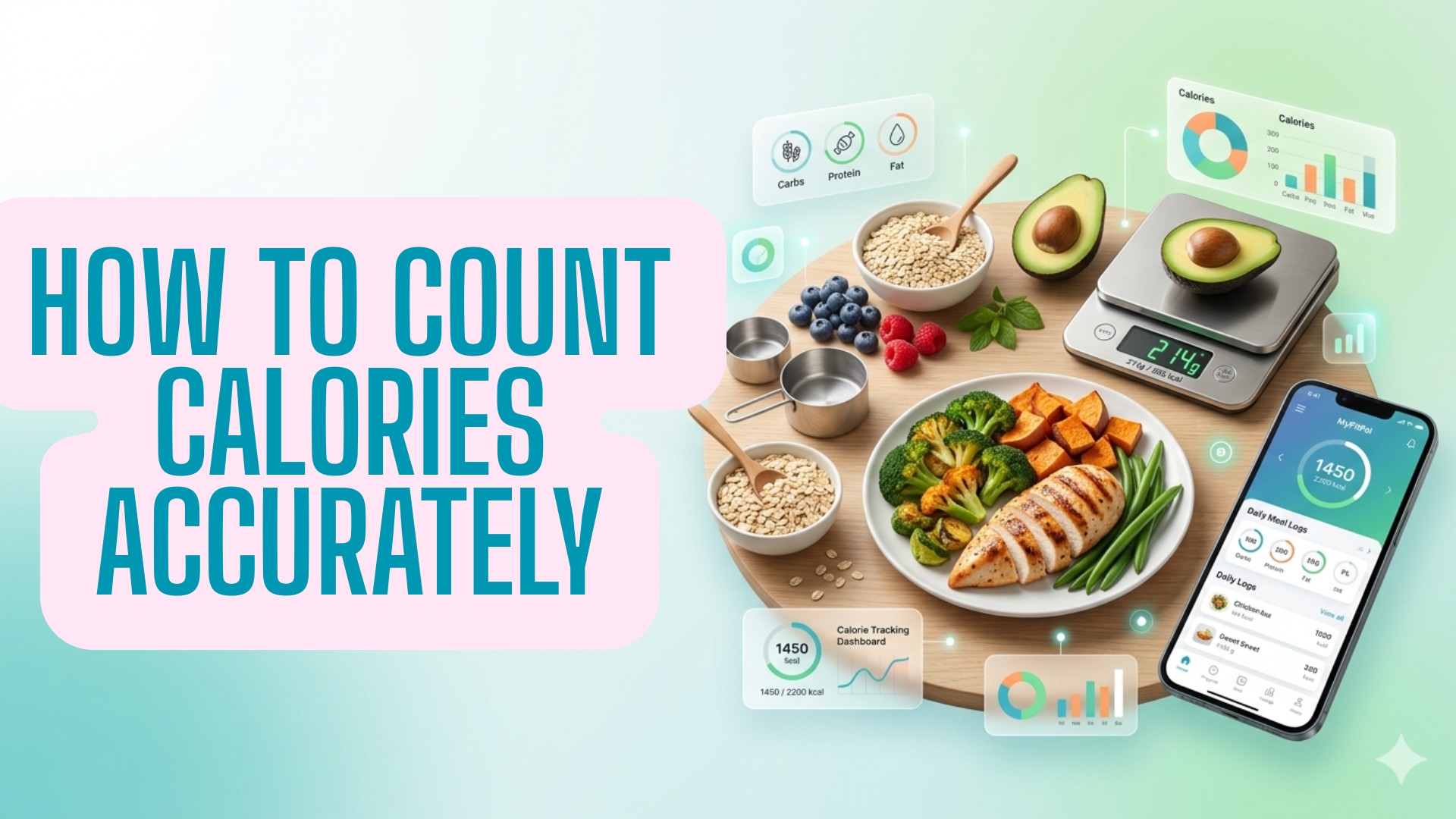
Tracking food intake can help people understand eating patterns, improve portion awareness, and support weight management goals. However, inaccurate measurements and inconsistent logging often lead to misleading results. Small mistakes in serving sizes, cooking oils, or snack portions can quickly add up over time. Learning simple methods for precise food tracking makes nutrition planning easier and more effective. With the right approach and digital support from Calorie Tracker Buddy, maintaining accurate daily records becomes far more manageable.
Why Accurate Calorie Tracking Matters
Many people underestimate how much they consume during the day. Restaurant meals, sugary beverages, sauces, and even healthy snacks may contain more calories than expected. Precise tracking creates a clearer picture of daily intake and helps identify habits that affect progress.
Accurate records also make it easier to adjust meal plans according to fitness, wellness, or weight goals. Consistency is more important than perfection, especially when building long-term healthy routines.
Use Measuring Tools Instead of Guessing
One of the most effective ways to improve food tracking is by using measuring cups, spoons, or a kitchen scale. Estimating portions visually often leads to significant errors. Weighing ingredients before cooking provides better accuracy, especially for foods like rice, pasta, cereal, nuts, and protein sources.
Liquid calories should also be measured carefully. Coffee creamers, juices, and dressings are frequently poured in larger quantities than intended.
Read Nutrition Labels Carefully
Nutrition labels provide important details about serving size, calories, sugar, protein, and fat content. Many packaged foods contain multiple servings per container, which can confuse tracking efforts. Checking serving information before eating helps avoid accidental overconsumption.
Processed foods may also include hidden calories from added sugars and oils. Reading labels regularly encourages smarter food choices and greater awareness of ingredient quality.
Common Mistakes That Affect Results
Several habits reduce tracking accuracy without people realizing it. Forgetting cooking oil, tasting food while preparing meals, or skipping small snacks can impact totals significantly. Weekend eating patterns are another area where many tracking routines become inconsistent.
Learning how to count calories accurately requires attention to detail, consistent meal logging, and awareness of portion sizes throughout the day. Building these habits gradually creates more dependable results over time.
Track Meals Immediately
Delaying food logging until later in the day increases the chance of forgetting ingredients or portion sizes. Recording meals immediately after eating helps maintain reliable information. Mobile tracking platforms simplify this process by allowing quick updates anytime.
Meal planning in advance can also reduce impulsive eating decisions and improve consistency throughout the week.
Focus on Progress Instead of Perfection
Daily calorie intake naturally changes based on activity levels, schedules, and social events. Minor fluctuations are normal and should not discourage long-term progress. Sustainable tracking focuses on awareness and gradual improvement rather than strict perfection.
Healthy nutrition habits develop through consistency, realistic goals, and better food understanding. Small adjustments made consistently often produce stronger long-term outcomes than extreme dieting methods.
Summary
Accurate calorie tracking depends on portion awareness, careful label reading, consistent meal logging, and avoiding common mistakes. Measuring food properly and maintaining reliable records can improve nutrition management and support healthier lifestyle goals. With practical tracking tools and organized meal monitoring from Calorie Tracker Buddy, maintaining better dietary awareness becomes simpler and more effective.


