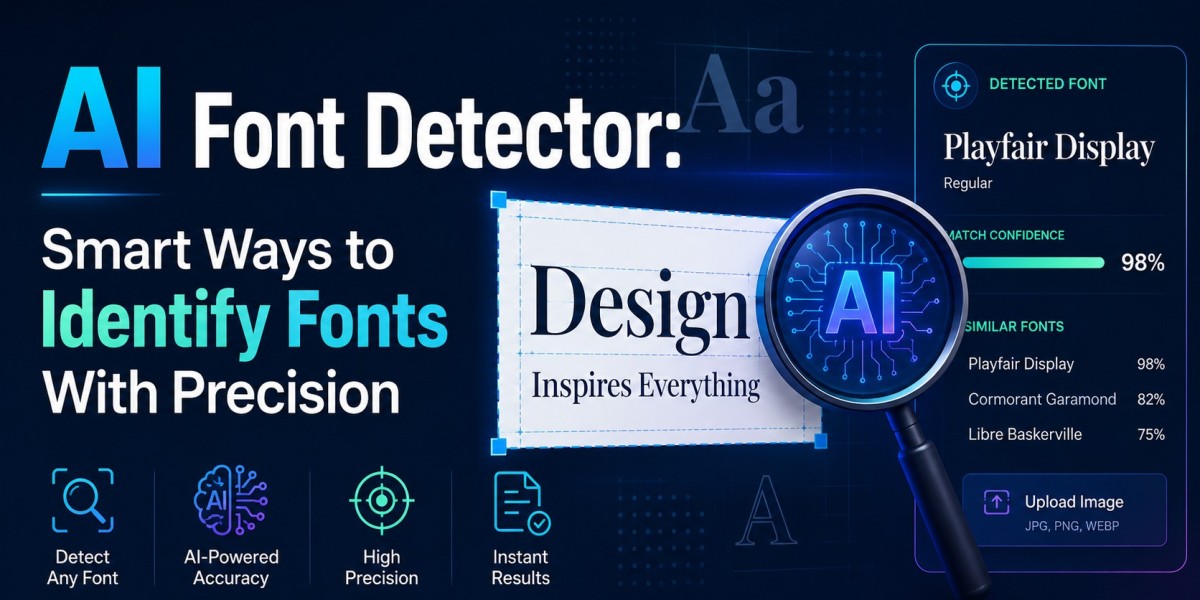
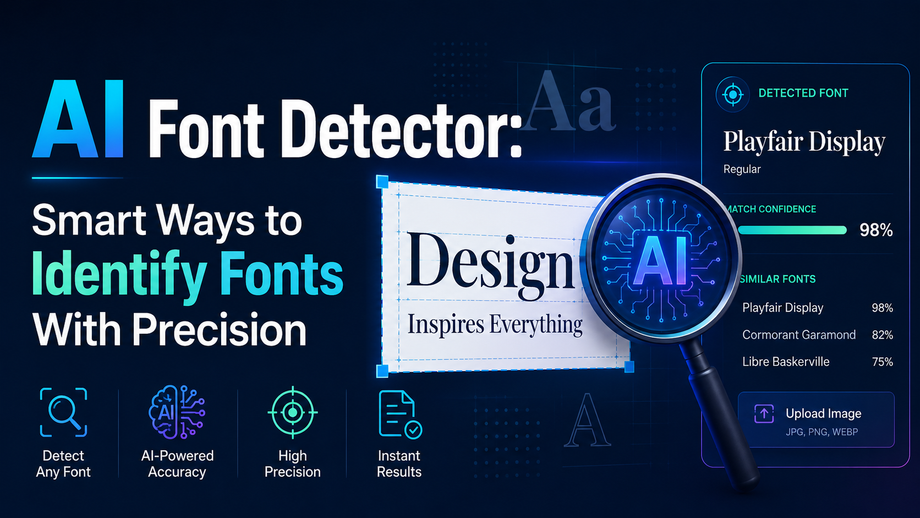
Have you ever seen a typeface in a logo, social post, or ad and wondered how professionals identify it within seconds? Modern recognition systems now use machine learning, OCR mapping, and visual pattern analysis to match typography with impressive accuracy. An AI font detector helps designers, agencies, and marketers quickly recognize fonts from screenshots, PDFs, or images without manually comparing thousands of options.
After testing multiple typography recognition tools during branding audits and UI redesign projects, I found that accuracy depends heavily on image clarity, font uniqueness, and dataset training quality. While no system is perfect, today’s intelligent font-matching platforms can significantly reduce production time and improve brand consistency across digital assets.
What Makes Modern Font Recognition Systems So Accurate?
Traditional font identification relied on manual comparison of libraries. Today, machine learning models analyze:
- Character spacing
- Stroke thickness
- Curve geometry
- Kerning patterns
- Serif and sans-serif structures
Most advanced systems are trained on datasets containing thousands of commercial and open-source typefaces. According to Adobe typography researchers, visual similarity mapping has improved significantly due to neural-network-based pattern classification.
Practical Example From a Branding Audit
During a SaaS rebranding project last year, a client provided only low-resolution screenshots of legacy landing pages. Instead of manually testing hundreds of fonts, automated typography recognition reduced identification time from nearly four hours to under fifteen minutes.
That efficiency matters because inconsistent typography can weaken:
- Brand trust
- UX readability
- Conversion-focused design systems
- Cross-platform visual consistency
For agencies handling multiple client identities, automation also reduces costly design revisions.
How Designers Use AI Tools in Real Workflows?
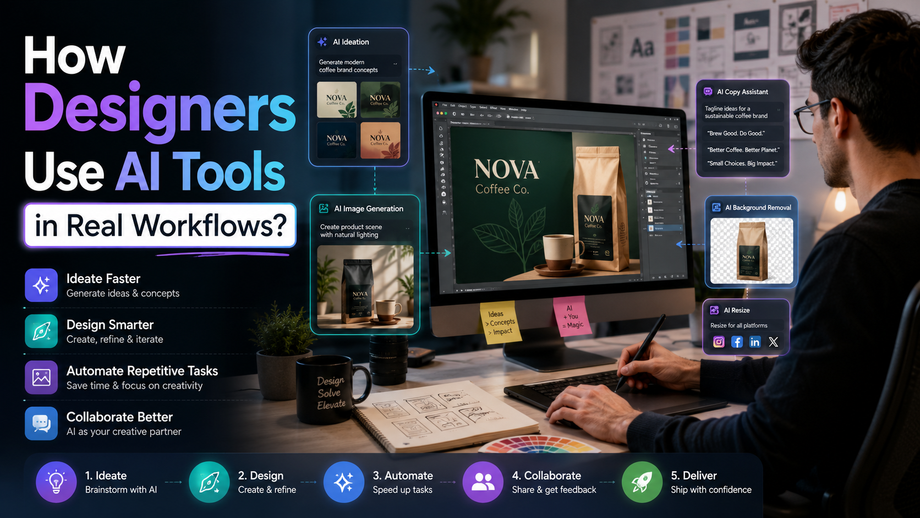
Professional designers rarely depend on a single identification result. Instead, they compare probability matches and validate them against brand guidelines.
An AI font detector typically performs best when users upload:
- High-resolution text images
- Straight, non-distorted typography
- Dark text on light backgrounds
- Multiple characters instead of single letters
Quick Tip Box
Best Practice:
Upload at least 8-10 visible characters instead of cropped initials. Recognition accuracy improves dramatically when systems can analyze repeated letter structures like “a,” “g,” and “e.”
Comparison of Popular Recognition Methods Modern font recognition technology has evolved far beyond simple character matching. Today’s intelligent systems analyze typography using machine learning, OCR processing, and neural pattern recognition to identify fonts with impressive speed and precision. In real-world branding and design workflows, these tools help agencies, marketers, and UI designers quickly recognize typefaces from screenshots, advertisements, websites, or social media graphics without manually browsing massive font libraries. The biggest advantage is efficiency, which, once requiring hours of visual comparison, can now be completed in seconds. However, professionals still validate results carefully because decorative lettering, distorted images, and custom typography can affect accuracy. When used correctly, advanced font detection solutions improve design consistency, streamline creative production, and support stronger brand identity management across digital platforms.
Why Typography Detection Matters for SEO and Branding?
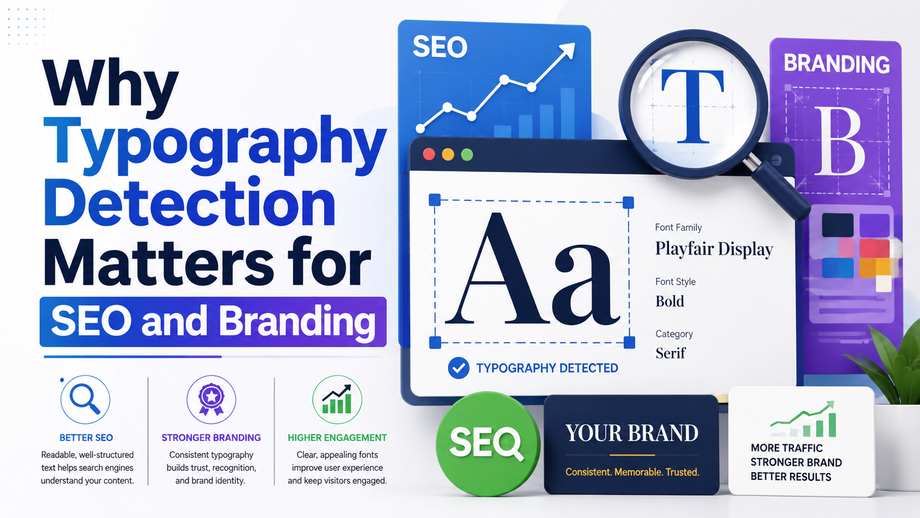
Typography directly affects readability, engagement, and perceived professionalism. Studies from UX-focused design agencies consistently show that poor font selection increases bounce rates and decreases content retention.
Brands benefit from accurate identification because it supports:
- Consistent marketing assets
- Faster creative collaboration
- Better accessibility compliance
- Improved responsive design implementation
For content-heavy websites, typography consistency also strengthens user trust signals. Readers subconsciously associate clean font hierarchy with authority and reliability.
Design teams working across Figma, Adobe Illustrator, and Webflow often use recognition systems to maintain alignment between development and branding departments.
Another overlooked advantage is historical asset recovery. Companies reusing archived campaigns frequently lack original design files. Automated font matching helps rebuild legacy materials faster and with greater visual accuracy.
Common Limitations Users Should Understand
Despite major improvements, recognition technology still struggles with:
- Handwritten typography
- Distorted perspective images
- Extremely decorative fonts
- Heavy compression artifacts
- Custom brand lettering
Professionals should treat results as recommendations rather than guaranteed matches.
A reliable font detector should always provide alternative suggestions ranked by similarity score. This layered approach prevents designers from choosing inaccurate replacements that could alter brand identity.
Expert Recommendation
Before finalizing any typography decision:
- Compare uppercase and lowercase letterforms
- Test numeric characters separately
- Verify kerning consistency
- Cross-check licensing requirements
Many visually similar fonts differ legally in commercial usage rights.

Conclusion
Modern typography recognition has transformed how designers, marketers, and branding specialists identify fonts across digital media. Faster analysis, improved machine learning models, and better visual matching now make identification workflows far more efficient than manual comparison methods. Platforms powered by an AI Font Detector can quickly analyze typography styles, compare character structures, and recommend visually similar font families within seconds.
Whether you manage brand assets, redesign websites, or create marketing visuals, intelligent recognition systems can save hours of research while improving consistency. Explore different tools, validate results carefully, and combine automation with professional judgment for the best outcomes.
FAQs
Q: What is the easiest way to identify a font from an image?
A: The easiest method is uploading a clear screenshot into a machine-learning-based recognition tool. These systems analyze letter shapes, spacing, and typography structure to suggest close matches within seconds. Higher image quality usually produces more accurate results.
Q: Are typography recognition tools accurate for logos?
A: They can be highly accurate for standard commercial fonts, but custom logo lettering remains challenging. Many businesses modify existing typefaces, which means recognition systems may only provide visually similar alternatives rather than exact matches.
Q: Can free font identification tools work professionally?
A: Yes, some free platforms perform surprisingly well for common fonts and web typography. However, enterprise-grade tools often provide larger databases, better AI analysis, and integration with professional design ecosystems like Adobe Creative Cloud.
Q: Why do some font matches look similar but not exact?
A: Recognition systems prioritize structural similarity rather than legal font identity. Two typefaces may share nearly identical geometry while differing in kerning, licensing, or character design details that affect professional branding consistency.
Q: How can I improve font recognition accuracy?
A: Use high-resolution images with straight alignment, good contrast, and multiple visible letters. Avoid screenshots with shadows, perspective distortion, or decorative overlays because these interfere with character analysis algorithms.
Q: What is the biggest mistake people make when identifying fonts?
A: Many users trust the first suggested result without verifying spacing, punctuation, and numeric characters. Professionals compare several recommendations and confirm licensing compatibility before using a matched typeface commercially.