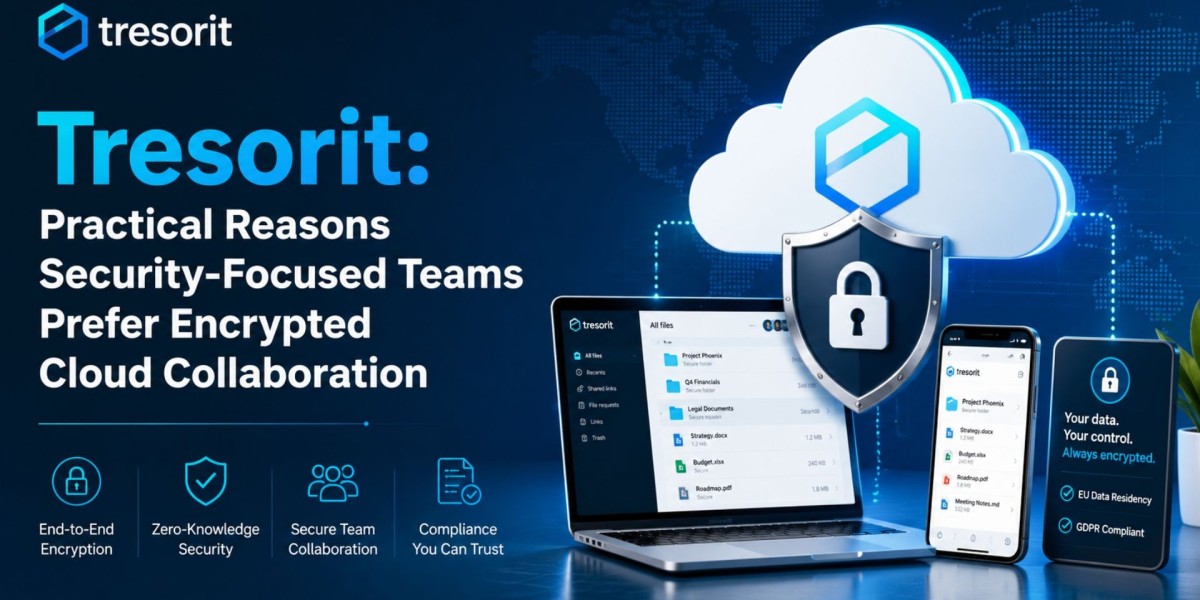
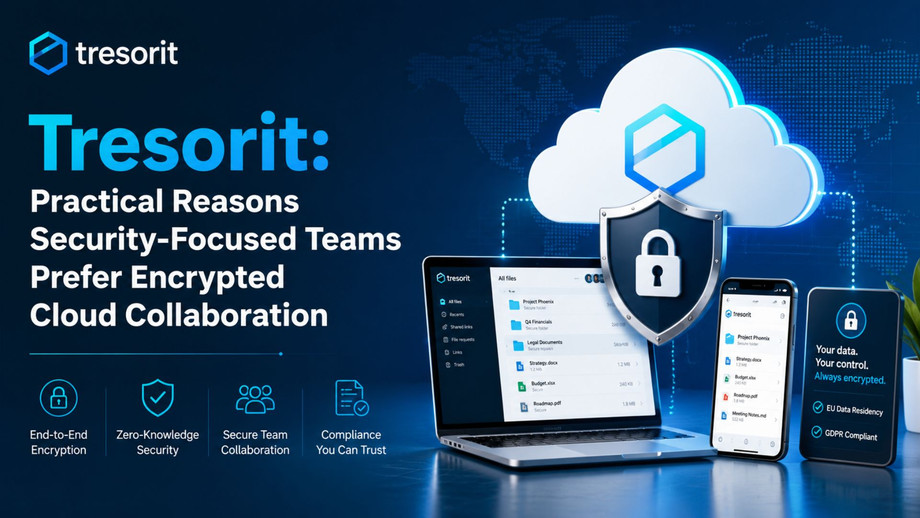
What happens when confidential company files are exposed through weak cloud-sharing practices? For organizations handling legal contracts, client records, financial reports, or intellectual property, one data breach can damage trust for years. That is why many security-conscious businesses are shifting toward encrypted collaboration ecosystems that prioritize privacy from the ground up.
From my experience working with compliance-driven content teams and remote project managers, Tresorit stands out because it combines usability with enterprise-grade encryption instead of treating security as an afterthought. The platform helps organizations maintain control over sensitive information while supporting remote productivity, secure document exchange, and regulated workflows across distributed teams.
Why Encrypted Collaboration Matters More Than Ever?
Cybersecurity risks are no longer limited to large enterprises. According to IBM’s Cost of a Data Breach research, the global average cost of a breach continues to rise annually, with cloud misconfigurations remaining a major contributor to exposure incidents.
Modern businesses face several recurring challenges:
- Unsecured third-party file transfers
- Weak permission management
- Shadow IT usage by employees
- Compliance obligations like GDPR and HIPAA
- Ransomware targeting shared storage systems
Traditional cloud storage often prioritizes convenience first. Encryption may exist, but providers sometimes retain access to encryption keys. Security-focused platforms take a different approach by implementing zero-knowledge architecture, meaning only authorized users can decrypt stored content.
For regulated industries such as healthcare, finance, consulting, and legal services, this difference is critical. During a document migration project I reviewed for a mid-sized advisory firm, executives reduced unsecured email attachments by more than 60% after adopting encrypted sharing practices.
How Secure File Collaboration Improves Team Efficiency?
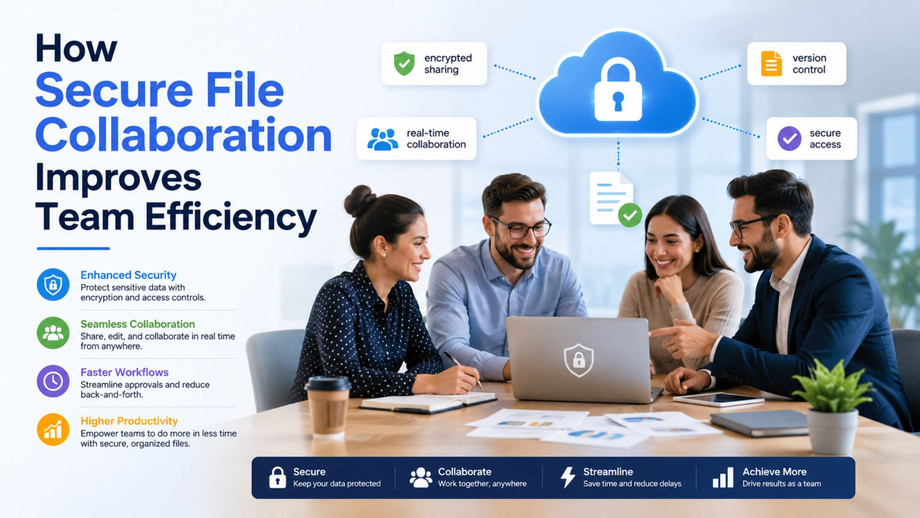
Many professionals assume stronger security creates workflow friction. In practice, the opposite is often true when systems are designed correctly.
A well-structured encrypted workspace improves:
Access Control
Administrators can assign role-based permissions, revoke access instantly, and monitor document activity. This reduces accidental exposure while simplifying governance.
Remote Collaboration
Distributed teams need secure access from multiple devices and regions. Reliable encrypted synchronization prevents version confusion and reduces dependency on insecure messaging apps.
Compliance Readiness
Audit trails, activity logs, and permission histories help organizations prepare for internal reviews and regulatory audits more efficiently.
Client Trust
Security transparency influences purchasing decisions. Companies that demonstrate responsible data handling often strengthen long-term client relationships.
In several consulting environments I have observed, stakeholders responded positively when firms implemented encrypted portals instead of sending sensitive attachments through standard email systems.
What Makes Modern Encryption Platforms Different?
Unlike conventional storage systems, advanced privacy-focused services are engineered around encryption-first infrastructure. One example is Tresorit, which uses end-to-end encryption before files leave a user’s device.
Key Security Features Businesses Evaluate
Businesses evaluating encrypted collaboration platforms typically focus on several core security capabilities rather than storage size alone. End-to-end encryption remains one of the most important features because it ensures files are encrypted before leaving a user’s device, preventing unauthorized interception during transfer or storage. Zero-knowledge architecture adds another layer of protection by ensuring the provider itself cannot access customer files or encryption keys.
Organizations also prioritize granular permission controls that allow administrators to restrict access based on employee roles, project requirements, or external collaboration needs. Secure external sharing is equally valuable because many companies exchange sensitive documents with clients, vendors, and contractors regularly. In addition, data residency options help multinational businesses comply with regional privacy regulations by allowing information to remain within approved geographic locations.
Together, these features create a stronger foundation for privacy, governance, and long-term compliance management in modern digital workplaces.
How Professionals Use Secure Workspaces in Real Operations?
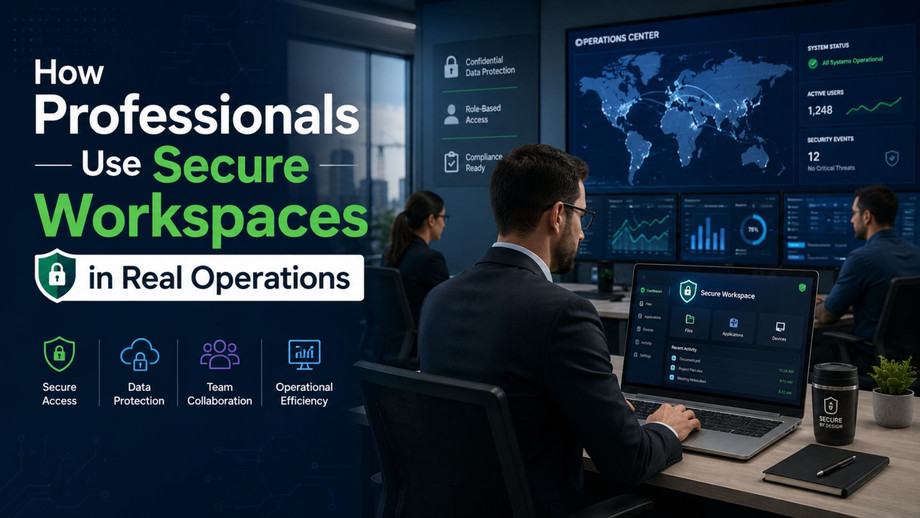
One of the strongest indicators of platform quality is how it performs under real operational pressure.
Legal teams commonly rely on encrypted file systems for:
- Contract negotiations
- Litigation evidence exchange
- Confidential client communication
Healthcare organizations often use secure collaboration environments for:
- Protected patient documentation
- Internal reporting workflows
- Remote specialist coordination
Marketing agencies managing unreleased campaign assets also benefit from stronger permission management and controlled external sharing.
During a recent workflow audit involving multinational contractors, I noticed that centralized encrypted storage reduced duplicated file versions significantly. Teams spent less time searching for updated documents and more time executing deliverables.
Another area professionals frequently evaluate is tresorit login reliability, especially for remote teams using multiple devices and identity-management systems. Stable authentication flows, multi-factor authentication, and centralized access governance are increasingly essential for hybrid workplaces.
What Businesses Should Evaluate Before Choosing a Secure Platform?
Security tools should not be selected solely based on marketing claims. Decision-makers should assess long-term operational fit.
Scalability is essential when choosing a secure collaboration platform because organizations often expand across departments, remote teams, and external partners. A system that grows smoothly without becoming difficult to manage helps maintain productivity and consistent security standards.
User adoption also plays a major role in long-term success. Employees are more likely to follow approved workflows when the platform is simple, intuitive, and easy to access. Overly complex systems can lead users to bypass security policies and use unofficial tools.
Integration support improves operational efficiency by allowing the platform to connect with tools such as Microsoft 365, Outlook, and other productivity applications. Seamless integration reduces workflow disruption and makes implementation easier for both employees and IT teams.
Administrative visibility gives IT departments better control over collaboration environments. Features like reporting dashboards, permission management, and policy enforcement help organizations monitor activity, reduce risks, and maintain compliance standards effectively.

Conclusion
Secure collaboration is no longer optional for organizations handling confidential information. Businesses now need platforms that balance usability, encryption strength, compliance readiness, and operational control without disrupting productivity. Solutions like Tresorit are increasingly being considered by organizations that want stronger protection for sensitive business communication and file sharing.
The most effective approach is to evaluate security architecture alongside real-world workflow efficiency rather than focusing only on storage capacity or cost. Teams that prioritize encrypted collaboration often improve client trust, reduce exposure risks, and strengthen internal governance at the same time. If your organization manages sensitive files daily, exploring a privacy-first collaboration environment could become a valuable long-term decision.
FAQs
Q: What is an encrypted cloud collaboration platform?
A: It is a secure workspace that protects files using advanced encryption before data leaves the user’s device. Authorized users can collaborate, share documents, and manage permissions while reducing the risk of unauthorized access or server-side exposure.
Q: How is secure, encrypted storage different from regular cloud storage?
A: Traditional cloud systems may allow providers to access stored content through server-managed encryption keys. Encryption-first systems use zero-knowledge security models where only approved users hold decryption access, improving privacy and compliance protection.
Q: Can encrypted collaboration platforms work for remote teams?
A: Yes. Most modern encrypted workspaces support remote access, secure synchronization, multi-device usage, and controlled external sharing. This helps distributed teams collaborate safely without relying on unsecured email attachments or messaging applications.
Q: Are encrypted file-sharing platforms expensive for small businesses?
A: Costs vary depending on storage limits, compliance features, administrative controls, and user volume. Small businesses should evaluate risk reduction, client trust benefits, and operational efficiency rather than comparing subscription pricing alone.
Q: What is the biggest mistake companies make with secure collaboration tools?
A: Many organizations focus only on storage features and ignore permission governance, employee training, and authentication controls. Weak internal security practices can still create exposure risks even when strong encryption exists.
Q: Which industries benefit most from encrypted collaboration systems?
A: Legal, healthcare, consulting, finance, research, and technology sectors often benefit most because they regularly manage confidential records, regulated information, intellectual property, and client-sensitive communications requiring stronger privacy protection.