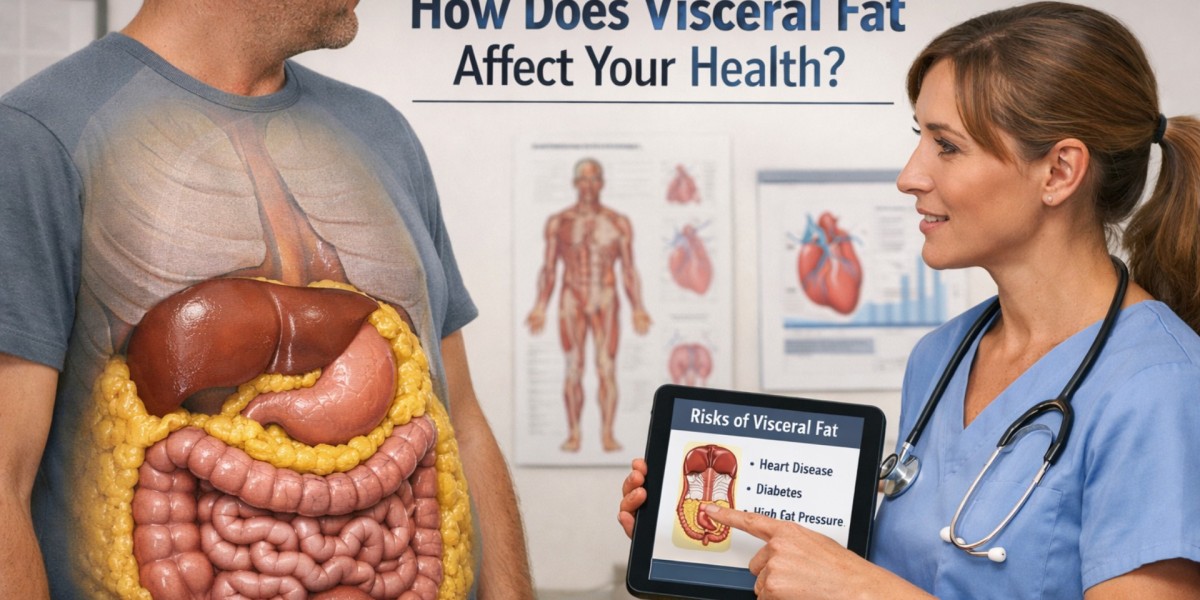

Have you ever wondered why some body fat is considered more dangerous than others? Many people focus only on the fat they can see, but the real concern often lies deeper within the body. Visceral fat is a type of fat stored around vital organs in the abdominal cavity, and it can have a significant impact on overall health.
Unlike subcutaneous fat, which sits just under the skin, visceral fat surrounds organs such as the liver, pancreas, and intestines. This hidden fat can interfere with normal body functions and increase the risk of serious health conditions. Understanding how it affects the body is the first step toward managing it effectively.
In this article, we’ll explore what visceral fat is, why it can be harmful, and practical strategies to reduce it through lifestyle changes.
What Is Visceral Fat?
Visceral fat is a type of body fat stored deep inside the abdominal cavity. It surrounds several important organs and can influence how the body processes hormones, nutrients, and inflammation signals.
While some amount of fat is necessary for normal bodily functions, excessive visceral fat may contribute to various health risks.
Key Characteristics
- Located deep in the abdominal area
- Surrounds organs such as the liver and intestines
- Can influence metabolism and hormone activity
- Often linked to increased health risks when present in large amounts
Unlike fat stored under the skin, this type of fat is not always visible, which makes it more difficult to detect without medical evaluation.
Why Excess Abdominal Fat Can Be Harmful
Excess visceral fat may disrupt several biological processes. It releases inflammatory chemicals and hormones that affect how the body regulates blood sugar, cholesterol, and blood pressure.
Potential Health Risks
High levels of visceral fat are associated with:
- Increased risk of heart disease
- Higher chances of developing type 2 diabetes
- Elevated blood pressure
- Chronic inflammation
- Hormonal imbalances
These factors contribute to long-term metabolic health problems if not addressed.
Signs That May Indicate Excess Visceral Fat

Although it is difficult to measure without medical imaging, certain indicators may suggest elevated levels.
Common Signs
- Large waist circumference
A wider waistline may indicate deeper abdominal fat. - Difficulty losing belly fat
Persistent abdominal weight despite exercise can be a warning sign. - Higher risk metabolic conditions
Conditions like insulin resistance often accompany excess internal fat. - Low energy levels
Hormonal changes linked to abdominal fat may affect daily energy.
For individuals focusing on pcos weight loss, managing abdominal fat is often an important part of improving hormonal balance and metabolic health.
How Lifestyle Habits Influence Abdominal Fat
Daily habits play a significant role in how fat is stored in the body. Several lifestyle factors may increase or reduce the accumulation of visceral fat.
Diet and Nutrition
Eating patterns that include high levels of processed foods, added sugars, and unhealthy fats may contribute to fat storage around organs.
Healthier dietary choices include:
- Fiber-rich vegetables and fruits
- Lean proteins
- Whole grains
- Healthy fats such as nuts and seeds
Physical Activity
Regular exercise helps burn stored fat and improves metabolism. Both cardiovascular training and strength exercises can contribute to reducing abdominal fat levels.
Sleep and Stress Management
Poor sleep and chronic stress can increase hormone levels associated with fat storage. Maintaining balanced sleep cycles and practicing stress management techniques may support healthier body composition.
The Role of Muscle Health in Fat Reduction

Building and maintaining muscle plays an important role in improving metabolism. Muscle tissue burns more energy than fat tissue, even when the body is at rest.
Understanding MuscleAnatomy helps explain how different muscle groups support movement, posture, and metabolic function. Strength training stimulates muscle growth, which can increase calorie expenditure and support healthier body composition over time.
Effective Exercise Strategies
Consider incorporating these activities into a weekly routine:
- Resistance training such as weightlifting
- Bodyweight exercises like push-ups and squats
- Cardiovascular workouts including walking, cycling, or swimming
- Core-strengthening exercises
Consistent physical activity combined with balanced nutrition can gradually reduce abdominal fat levels.
Practical Tips for Reducing Abdominal Fat
Improving overall lifestyle habits can significantly impact fat storage patterns.
Helpful Strategies
- Maintain a balanced, nutrient-rich diet
- Exercise regularly with both cardio and strength training
- Prioritize quality sleep each night
- Manage stress through mindfulness or relaxation practices
- Limit sugary drinks and ultra-processed foods
Small, consistent lifestyle adjustments often produce the most sustainable results.
To Know More - New Meal Logging Features in Calorie Tracker Buddy | Menu Scanner, Voice Search & More!
Summary
Excess abdominal fat can influence many aspects of physical health, particularly when it surrounds internal organs. Understanding the effects of visceral fat helps individuals make informed lifestyle decisions that support long-term well-being.
Healthy eating habits, regular exercise, quality sleep, and stress management are all important factors in maintaining balanced body composition. By focusing on sustainable habits rather than quick fixes, individuals can improve their metabolic health and reduce potential risks associated with excess abdominal fat.
Frequently Asked Questions (FAQ)
1. What causes visceral fat to increase?
Poor diet, lack of physical activity, chronic stress, and hormonal imbalances are common contributors.
2. Can exercise reduce visceral fat?
Yes. Regular cardiovascular exercise and strength training can help lower abdominal fat levels.
3. Is visceral fat the same as belly fat?
Not exactly. Belly fat may include both subcutaneous fat under the skin and deeper visceral fat around organs.
4. How can I measure visceral fat?
Medical imaging such as CT scans or specialized body composition tests provide accurate measurements.
5. How long does it take to reduce visceral fat?
With consistent lifestyle changes, noticeable improvements may occur over several weeks to months.