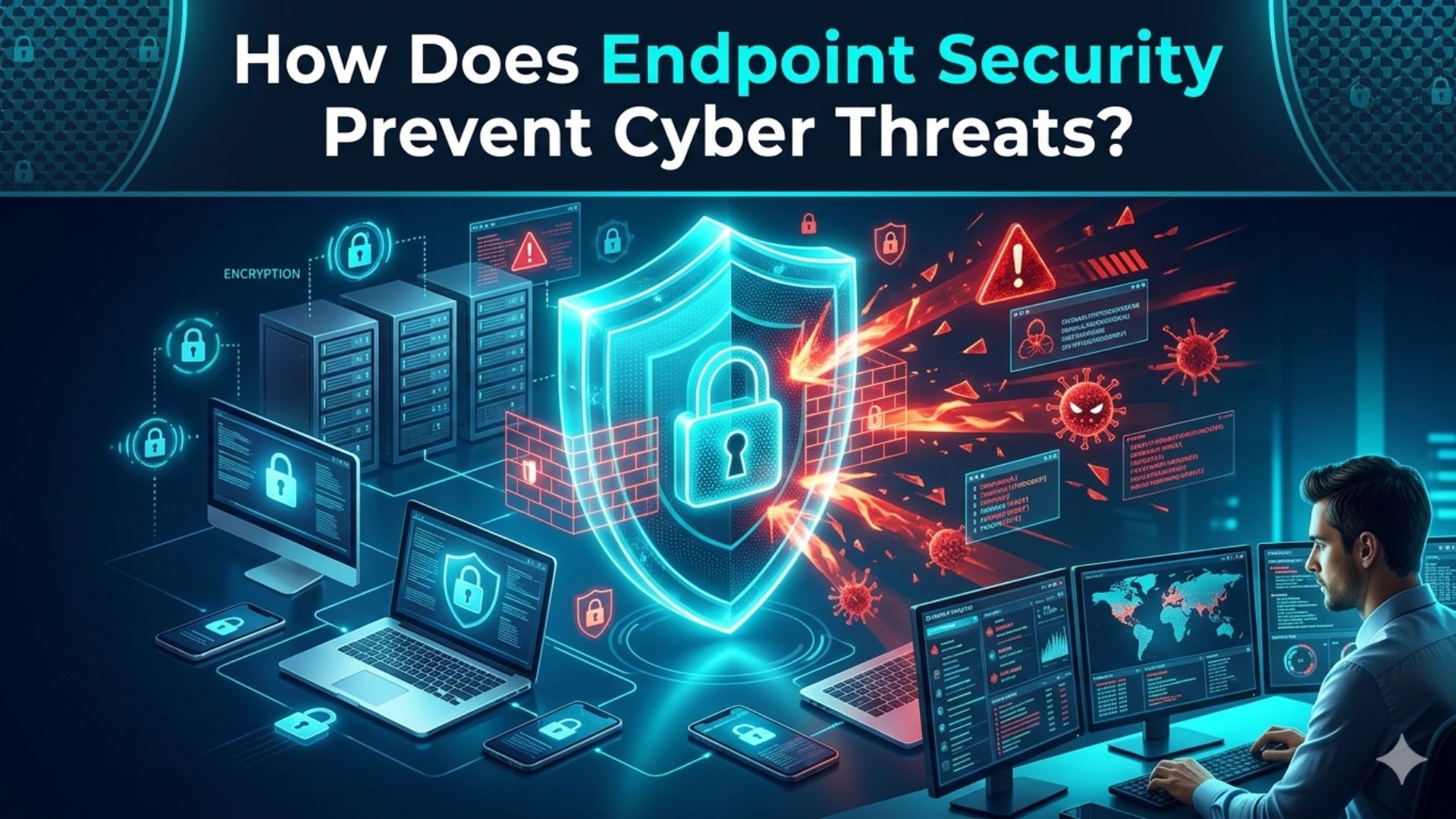
How do organizations stop cyberattacks before they cause damage? The answer lies in strengthening the weakest link devices. Endpoint Security plays a critical role in protecting laptops, desktops, servers, and mobile devices from evolving threats. It works by continuously monitoring, detecting, and responding to suspicious activities at the device level, ensuring that attackers cannot gain easy access to sensitive systems.
In simple terms, it prevents cyber threats by combining real-time monitoring, threat detection, data protection, and automated response mechanisms, all working together to secure every device connected to a network.
What Is Endpoint Security and Why Does It Matter?
It is a cybersecurity approach focused on protecting end-user devices from malicious activity. With remote work and cloud computing becoming the norm, endpoints have become prime targets for attackers.
Why it matters:
- Devices are common entry points for cyberattacks
- Remote work increases exposure to risks
- Sensitive data often resides on endpoints
- Human error can lead to security breaches
Without proper protection, even one compromised device can expose an entire organization.
How Endpoint Security Prevents Cyber Threats
#1. Real-Time Threat Detection
Security tools continuously scan devices for unusual behavior. They use advanced technologies like AI and machine learning to identify threats before they escalate.
Key capabilities include:
- Detecting malware, ransomware, and phishing attempts
- Identifying suspicious file activity
- Monitoring unauthorized access attempts
#2. Strong Access Control and Authentication

Enforcing strict access policies ensures that only authorized users can access systems.
Common methods:
- Multi-factor authentication (MFA)
- Role-based access control
- Device verification
This minimizes the chances of unauthorized entry into sensitive systems.
#3. Data Protection and Loss Prevention
One major function of this is safeguarding sensitive data. It prevents unauthorized sharing, downloading, or transferring of critical information.
At this stage, integrating a DLP solution strengthens protection by ensuring that confidential data never leaves the organization without proper authorization. This adds an extra layer of defense against accidental or intentional data leaks.
#4. Continuous Monitoring and Incident Response
These security systems provide 24/7 monitoring of device activity. When a threat is detected, automated responses are triggered immediately.
Examples of responses:
- Isolating compromised devices
- Blocking malicious files
- Alerting security teams in real time
This rapid response reduces damage and prevents the spread of threats across the network.
#5. Protection Against Insider Threats
Not all threats come from external attackers. Employees or internal users can also pose risks either intentionally or unintentionally.
Using insider threat detection software, organizations can:
- Track unusual user behavior
- Detect unauthorized data access
- Identify risky actions before they escalate
This ensures that internal vulnerabilities are addressed proactively.
#6. Patch Management and Vulnerability Control
Outdated software is one of the biggest security risks. Security tools automatically update systems and patch vulnerabilities.
Benefits include:
- Closing security gaps
- Reducing exposure to known exploits
- Ensuring compliance with security standards
#7. Centralized Security Management
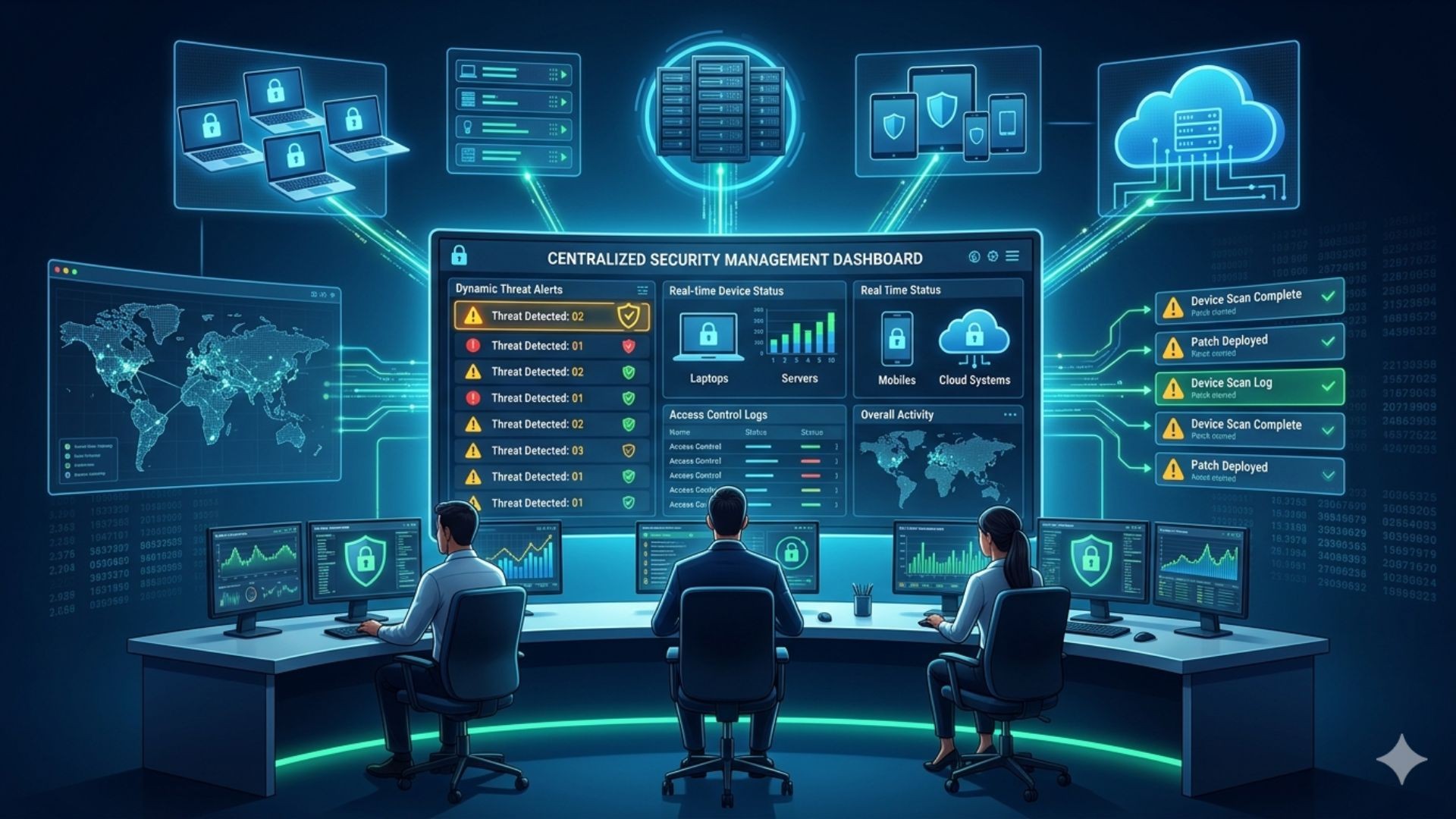
This solution provides a unified dashboard where administrators can monitor all devices.
Advantages:
- Easy visibility across endpoints
- Faster threat detection
- Simplified policy enforcement
Solutions like Empmonitor enhance visibility and control, helping businesses maintain strong device-level security.
Key Features of Effective Endpoint Security
To effectively prevent cyber threats, a robust system should include:
- Antivirus and anti-malware protection
- Firewall integration
- Behavioral analytics
- Encryption capabilities
- Automated threat response
- Cloud-based monitoring
These features work together to create a comprehensive defense strategy.
Benefits of Endpoint Security for Businesses
Several long-term advantages:
- Improved Security Posture - Reduces the risk of cyberattacks and data breaches
- Enhanced Productivity - Minimizes downtime caused by security incidents
- Regulatory Compliance - Helps meet data protection regulations
- Cost Savings - Prevents financial losses from cyber incidents
Also watch this video - How To Keep Your Company's Sensitive Data Secure?
Conclusion
Security is no longer optional; it is a necessity in today’s digital environment. By combining real-time monitoring, data protection, access control, and automated responses, it creates a strong defense against modern cyber threats. Investing in reliable endpoint security software ensures that every device acts as a secure gateway rather than a vulnerability, protecting both data and operations.
FAQs
Q1. What types of threats does endpoint security prevent?
It protects against malware, ransomware, phishing attacks, insider threats, and unauthorized access.
Q2. Is endpoint security only for large businesses?
No, businesses of all sizes need it, especially with increasing remote work environments.
Q3. How is endpoint security different from antivirus?
Antivirus focuses on detecting malware, while endpoint protection provides a complete protection system, including monitoring, response, and data security.
Q4. Can endpoint security stop insider threats?
Yes, with behavioral monitoring and advanced tools, it can detect and prevent suspicious internal activities.