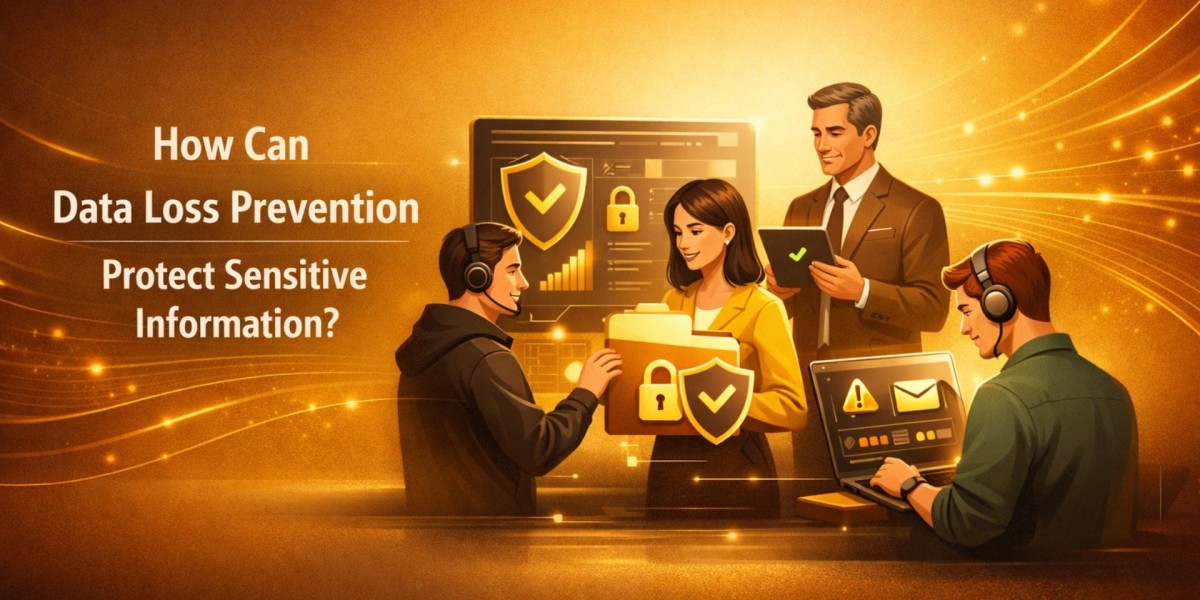

How do organizations keep their most valuable data safe from breaches, leaks, or accidental exposure? The answer lies in DLP, a strategic approach designed to detect, monitor, and protect sensitive information before it leaves secure environments. Whether it’s customer data, financial records, or intellectual property, DLP solutions act as a safeguard against both internal mistakes and external threats.
In simple terms, DLP tools identify sensitive data, track how it’s used, and prevent unauthorized sharing. This makes them essential for businesses that handle confidential information daily.
What Is Data Loss Prevention and How Does It Work?
Data Loss Prevention (DLP) is a set of tools and processes that ensure sensitive data is not lost, misused, or accessed by unauthorized users. It works by:
- Identifying sensitive data such as personal information, financial records, or trade secrets
- Monitoring data movement across networks, devices, and cloud platforms
- Enforcing security policies to prevent data leaks or breaches
DLP solutions use advanced technologies like pattern matching, encryption, and real-time alerts to protect data at every stage whether it’s at rest, in use, or in transit.
Why Is Protecting Sensitive Information So Important?
Sensitive information is the backbone of any organization. Losing it can result in:
- Financial loss due to fraud or penalties
- Reputational damage and loss of customer trust
- Legal consequences for non-compliance with data protection laws
A strong DLP strategy ensures that businesses stay compliant with regulations while maintaining operational integrity.
Key Ways Data Loss Prevention Protects Information

- Prevents Unauthorized Access
DLP systems restrict access to sensitive data based on user roles and permissions. This ensures that only authorized individuals can view or share critical information.
- Monitors Data in Real Time
Continuous monitoring helps detect suspicious activities instantly, such as unusual file transfers or unauthorized downloads.
- Stops Accidental Data Leaks
Human error is one of the biggest causes of data breaches. DLP tools prevent employees from accidentally sending sensitive data via email or uploading it to unsecured platforms.
- Secures Endpoints and Devices
Modern workplaces rely on multiple devices. Integrating DLP with endpoint security ensures that laptops, mobile devices, and external drives are protected from data leaks.
Types of Data Loss Prevention Solutions
Network DLP
Monitors and protects data traveling across the organization’s network.
Endpoint DLP
Secures data on user devices, preventing unauthorized copying or sharing.
Cloud DLP
Protects data stored in cloud applications and services, ensuring secure access and compliance.
Each type plays a crucial role in building a comprehensive data protection strategy.
Benefits of Implementing Data Loss Prevention
Organizations that invest in DLP solutions gain several advantages:
- Improved data visibility across systems and users
- Reduced risk of breaches through proactive monitoring
- Regulatory compliance with laws like GDPR and HIPAA
- Enhanced employee accountability with activity tracking
Additionally, businesses can align their security strategies with proven data loss prevention best practices, ensuring consistent and effective protection across all departments.
How to Implement an Effective DLP Strategy

To maximize the effectiveness of DLP, organizations should follow these steps:
- Identify sensitive data - Understand what data needs protection and where it resides
- Define clear policies - Establish rules for data access, sharing, and storage
- Choose the right tools - Select a solution that fits your organization’s size and needs
- Train employees - Educate staff about data security and potential risks
- Monitor and update regularly - Continuously refine policies to adapt to evolving threats
Solutions like Empmonitor help organizations implement monitoring and control mechanisms that strengthen overall data protection efforts.
Common Challenges in Data Loss Prevention
While DLP is essential, it comes with challenges:
- Balancing security with employee productivity
- Managing large volumes of data across multiple platforms
- Avoiding false positives in threat detection
Addressing these challenges requires a combination of advanced tools and well-defined policies.
Also, watch this video - EmpMonitor's New DLP Feature: USB Blocking for Enhanced Data Security
Conclusion
Data Loss Prevention is no longer optional, it’s a necessity in today’s data-driven world. By identifying sensitive information, monitoring its usage, and preventing unauthorized access, DLP solutions provide a strong defense against data breaches.
Organizations that adopt a proactive approach to data security can safeguard their assets, maintain customer trust, and ensure compliance. Choosing the best DLP solution ultimately depends on your business needs, but investing in one is a critical step toward long-term data protection.
FAQs
Q1. What is Data Loss Prevention in simple terms?
It is a security approach that prevents sensitive data from being lost, leaked, or accessed by unauthorized users.
Q2. Who needs DLP solutions?
Any organization handling confidential data, including businesses, healthcare providers, and financial institutions.
Q3. Can DLP prevent insider threats?
Yes, DLP tools monitor user behavior and can detect suspicious activities from insiders.
Q4. Is DLP only for large organizations?
No, small and medium businesses can also benefit from DLP to protect their data and ensure compliance.