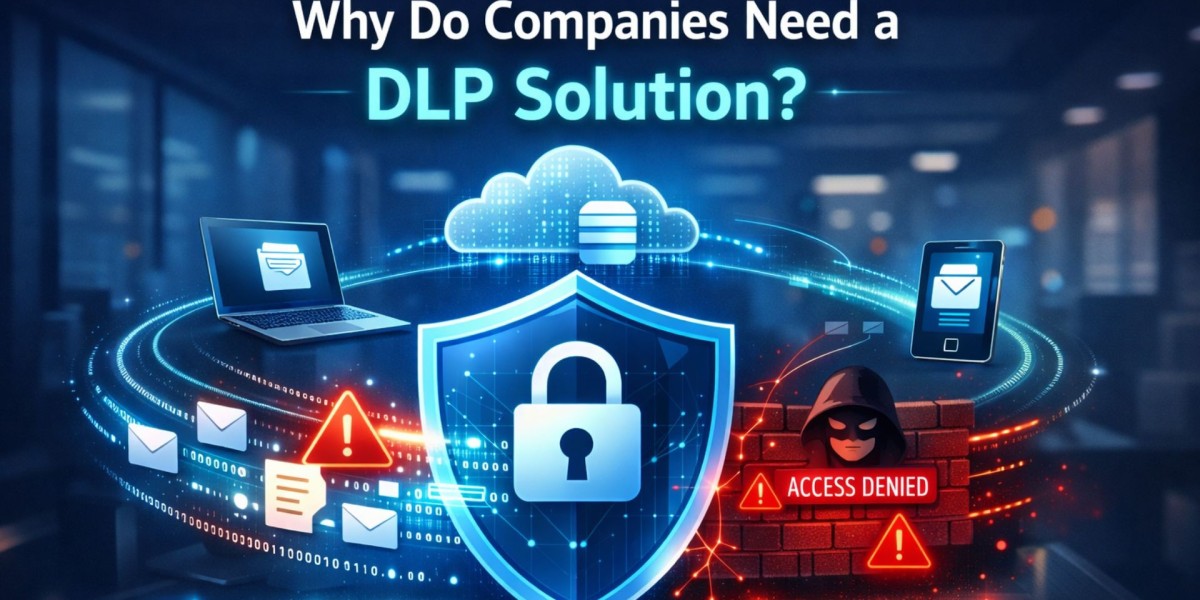

Data breaches, insider threats, and accidental leaks are becoming increasingly common. If your organization handles customer information, financial data, or intellectual property, you can’t afford to leave security to chance. That’s where a DLP(Data Loss Prevention) Solution comes in.
A DLP (Data Loss Prevention) solution helps businesses monitor, detect, and prevent unauthorized access, sharing, or loss of sensitive information. In simple terms, it ensures that critical data stays where it belongs, safe and under control.
What Is a DLP Solution and How Does It Work?
A DLP solution is a security system designed to protect sensitive data across endpoints, networks, and cloud environments. It works by:
- Identifying sensitive data (like personal or financial information)
- Monitoring how that data is accessed and shared
- Blocking or alerting to suspicious activities
For example, if an employee tries to email confidential files outside the company, a DLP system can:
- Block the action
- Notify administrators
- Log the incident for review
This proactive approach reduces both intentional and accidental data leaks.
Why Is Data Protection a Top Priority for Companies?
In today’s digital-first world, data is one of the most valuable business assets. Losing it can lead to:
- Financial losses
- Legal penalties
- Damage to brand reputation
- Loss of customer trust
Implementing strong Data loss prevention measures ensures that companies stay compliant with regulations while safeguarding their most critical information.
Key Benefits of Using a DLP Solution

1. Prevents Data Breaches
DLP tools actively monitor and control data movement, reducing the risk of unauthorized access.
2. Ensures Regulatory Compliance
Many industries require strict data protection standards (like GDPR or HIPAA). DLP solutions help meet these requirements.
3. Protects Intellectual Property
Sensitive business data—like trade secrets or product designs—remains secure.
4. Improves Visibility
Organizations gain insight into how data is used, shared, and stored across systems.
5. Reduces Insider Threats
Not all threats come from outside. DLP systems help detect risky behavior from employees as well.
Common Use Cases for DLP Solutions
DLP solutions are versatile and can be applied across various scenarios:
- Email protection: Prevent sending sensitive files externally
- Cloud security: Monitor data stored in cloud platforms
- Endpoint protection: Secure laptops, desktops, and mobile devices
- USB/device control: Restrict unauthorized data transfers
These use cases highlight how DLP integrates into everyday operations without disrupting workflows.
How DLP Supports Business Continuity
A data breach can disrupt operations for days or even weeks. By preventing data loss, DLP solutions ensure:
- Minimal downtime
- Faster incident response
- Continuous business operations
Companies that invest in prevention are far better prepared than those that rely solely on recovery.
Best Practices for Implementing a DLP Solution
To maximize effectiveness, companies should follow proven strategies:
- Identify Sensitive Data
Understand what data needs protection and where it resides.
- Define Clear Policies
Set rules for how data can be accessed, shared, and stored.
- Educate Employees
Human error is a major cause of data leaks. Training reduces risk.
- Monitor and Update Regularly
Security threats evolve, so your DLP system should too.
Following data loss prevention best practices ensures that your solution remains effective over time.
Challenges Companies Face Without DLP

Without a proper DLP system, organizations often struggle with:
- Lack of visibility into data usage
- Increased risk of accidental leaks
- Difficulty meeting compliance requirements
- Delayed response to security incidents
These challenges can quickly escalate into major business risks if not addressed.
Choosing the Right DLP Solution
When selecting a DLP solution, consider:
- Scalability for business growth
- Integration with existing systems
- Ease of use for employees and IT teams
- Real-time monitoring capabilities
Solutions like EmpMonitor provide comprehensive monitoring and data protection features that help businesses stay secure without adding complexity.
How DLP Enhances Employee Accountability
DLP systems don’t just protect data; they also encourage responsible behavior. When employees know that data usage is monitored:
- They follow company policies more closely
- They avoid risky actions
- They become more security-conscious
This creates a culture of accountability and awareness across the organization.
Also, watch this video - EmpMonitor's New DLP Feature: USB Blocking for Enhanced Data Security
Conclusion: Is a DLP Solution Worth It?
Absolutely. In a world where data breaches can cost millions, prevention is no longer optional; it’s essential. By implementing robust DLP tools, companies can protect sensitive information, maintain compliance, and foster trust with customers, ultimately ensuring long-term business stability.
FAQs
Q1. What does DLP stand for?
DLP stands for Data Loss Prevention, a strategy and technology used to protect sensitive data.
Q2. Who needs a DLP solution?
Any organization that handles confidential or sensitive data, regardless of size or industry.
Q3. Can DLP prevent insider threats?
Yes, it helps detect and prevent unauthorized actions by employees.
Q4. Is DLP only for large enterprises?
No, small and medium businesses can benefit just as much from implementing DLP solutions.