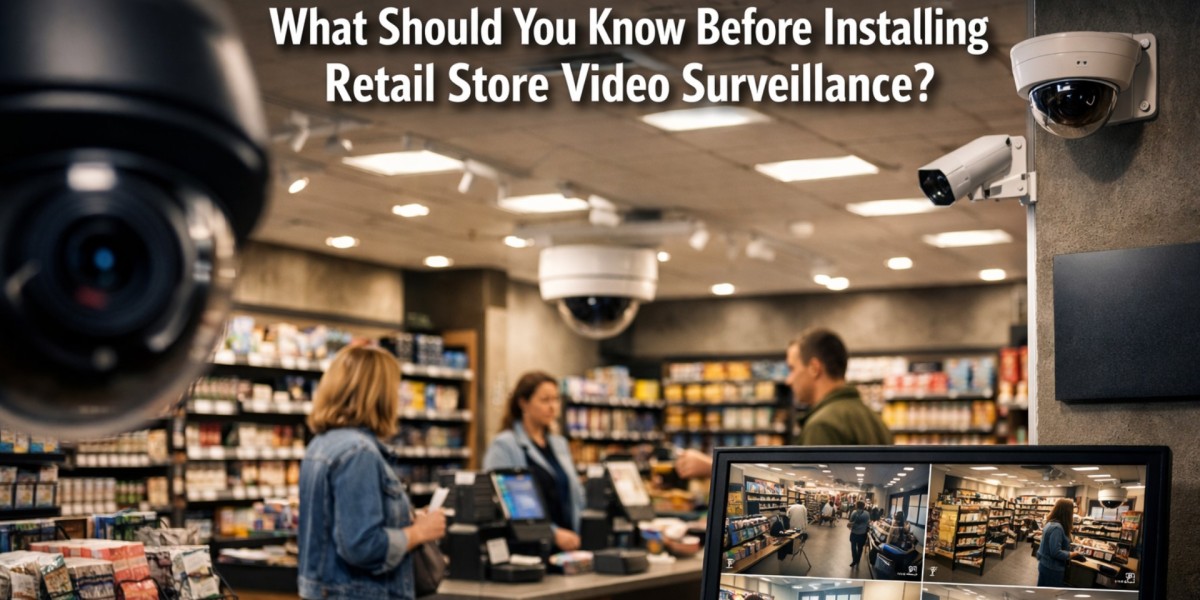

What if a single blind spot is costing you money every day? Or worse, what if an incident happens and you have no usable footage to act on? Before installing a system, most retailers want clear answers: What type of cameras do I need? Where should they be placed? Is it legally compliant? And will it actually reduce theft?
A well-designed retail store video surveillance system improves security, reduces shrinkage, enhances employee accountability, and provides valuable operational insights. To be effective, it must include strategic camera placement, high-resolution recording, proper storage, and compliance with privacy laws.
Why Is Surveillance Essential for Retail Stores?
Retail businesses face daily risks- shoplifting, internal theft, and fraud. A reliable system acts as both a deterrent and a tool for investigation.
Key Benefits:
- Loss Prevention: Discourages theft and captures incidents in real time
- Employee Monitoring: Ensures adherence to policies
- Customer Safety: Helps resolve disputes and accidents
- Operational Insights: Tracks customer flow and behavior
Investing in retail store video surveillance is no longer optional - it’s a necessity in modern retail environments.
What Features Should You Look for in a Surveillance System?

Choosing the right system requires understanding both your store layout and security needs.
1. Camera Resolution Matters
High-definition cameras (1080p or higher) ensure clear identification of faces, transactions, and movements.
2. Strategic Camera Placement
Focus on:
- Entry and exit points
- Cash registers
- High-value product areas
- Blind spots and corners
3. Storage Options
- Cloud Storage: Easy access and remote viewing
- Local Storage (DVR/NVR): More control and lower ongoing costs
4. Remote Access
Modern systems allow monitoring via mobile apps, giving you real-time visibility from anywhere.
How Do Retail CCTV Security Systems Improve Efficiency?
Beyond security, retail cctv security systems contribute to business optimization.
Operational Advantages:
- Monitor peak shopping hours
- Improve staff allocation
- Analyze customer movement patterns
- Identify bottlenecks in store layout
Example:
If footage shows frequent congestion near checkout counters, you can open additional billing counters during peak times.
This transforms your system from a passive recorder into a proactive business tool.
What Legal Considerations Should You Be Aware Of?
Before installing cameras, it’s crucial to follow legal and ethical guidelines.
Key Compliance Points:
- Inform customers and employees about surveillance
- Avoid placing cameras in private areas (restrooms, changing rooms)
- Follow local data protection laws
- Store footage securely to prevent misuse
Failing to comply can lead to legal consequences and damage your brand reputation.
How Can Surveillance Help Prevent Organized Retail Crime?

Retail crime is evolving, and businesses must adapt. organized retail crime involves coordinated theft by groups targeting multiple stores.
How Surveillance Helps:
- Identifies repeat offenders across locations
- Provides evidence for law enforcement
- Enables real-time alerts for suspicious behavior
- Integrates with AI for pattern detection
Smart Features to Consider:
- Facial recognition (where legally permitted)
- Motion detection alerts
- License plate recognition
By leveraging advanced analytics, retailers can move from reactive to preventive security strategies.
What Are Common Mistakes to Avoid?
Even the best systems fail if poorly implemented.
Avoid These Pitfalls:
- Installing too few cameras
- Ignoring blind spots
- Choosing low-quality equipment
- Not training staff to use the system
- Failing to regularly maintain and update software
A poorly planned setup can give a false sense of security.
How Much Should You Budget?
Costs vary depending on store size and system complexity.
Typical Cost Factors:
- Number of cameras
- Installation charges
- Storage solutions
- Maintenance and upgrades
Budget Tip:
Start with essential coverage and scale as your business grows.
Final Thoughts
A well-planned retail store video surveillance system does more than record footage it strengthens your entire retail operation. From preventing theft to improving efficiency, the right setup delivers measurable value.
FAQs: Retail Surveillance Systems
1. How many cameras does a retail store need?
It depends on store size and layout. Small stores may need 4–8 cameras, while larger stores require comprehensive coverage.
2. Is cloud storage better than local storage?
Cloud offers remote access and scalability, while local storage provides more control and lower recurring costs.
3. Can surveillance reduce employee theft?
Yes, visible cameras significantly reduce internal theft and improve accountability.
4. How long should footage be stored?
Typically 30-90 days, depending on legal requirements and business needs.
5. Are surveillance systems difficult to manage?
Modern systems are user-friendly, often accessible via mobile apps with simple controls