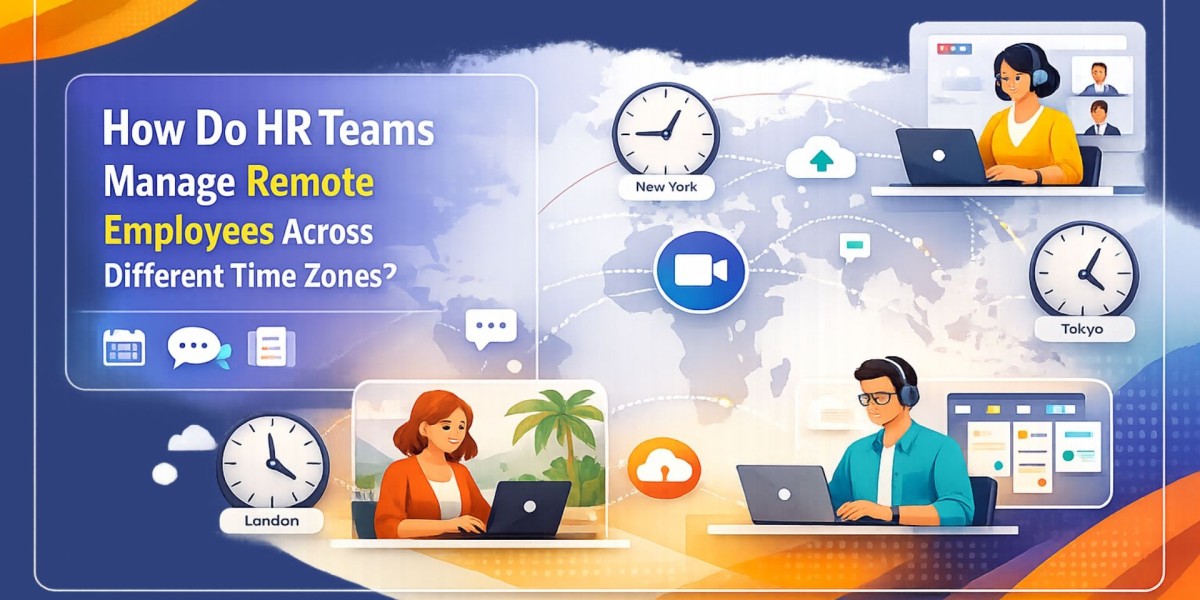

How do companies keep distributed teams productive when employees are working across multiple time zones? How can HR leaders coordinate schedules, communication, and performance without everyone being online at the same time? These questions have become increasingly important as global remote work continues to expand.
To manage remote employees across different time zones effectively, HR teams rely on structured communication practices, flexible scheduling policies, performance tracking tools, and clearly documented workflows. By combining technology with thoughtful processes, organizations can maintain collaboration, accountability, and productivity regardless of geographical differences.
Modern HR teams focus on clarity, transparency, and asynchronous communication to ensure employees stay aligned with company goals while enjoying the flexibility of remote work.
Why Time Zone Differences Create HR Challenges
When teams operate in different parts of the world, time differences can create operational friction. HR departments must address several challenges simultaneously:
- Delayed communication between employees and managers
- Difficulty scheduling meetings across overlapping working hours
- Reduced real-time collaboration
- Tracking productivity and performance remotely
Without a well-defined strategy, these challenges can lead to misunderstandings, missed deadlines, and reduced engagement. That is why HR teams implement structured systems that support distributed work environments.
Establishing Clear Communication Frameworks
One of the most effective ways HR teams manage distributed workers is by creating standardized communication guidelines.
These guidelines typically include:
1. Asynchronous Communication
Teams rely on tools such as shared dashboards, messaging platforms, and recorded updates so employees can respond when their workday begins.
Key practices include:
- Writing clear project documentation
- Recording meeting summaries
- Using task management platforms for updates
This ensures that work continues smoothly even when employees are offline.
2. Defined Communication Channels
HR teams often categorize communication based on urgency:
- Instant messaging for quick updates
- Project management tools for task progress
- Video calls for strategic discussions
These structured channels prevent confusion and reduce unnecessary meetings.
Creating Flexible Work Policies

Rigid work schedules rarely work for global teams. Instead, HR departments implement flexible policies that accommodate different regions.
Some common approaches include:
Core Overlap Hours
Companies establish a small window of overlapping working hours where all team members are available. This is usually 2–4 hours per day and allows teams to hold meetings, discuss projects, and resolve issues quickly.
Results-Based Performance Tracking
Rather than focusing on hours worked, HR teams prioritize measurable outcomes such as:
- Completed tasks
- Project milestones
- Quality of deliverables
This shift toward performance-based evaluation helps employees stay productive without being restricted by time zones.
Around this stage of scaling distributed workforces, HR leaders also focus on improving remote contractor management processes, ensuring freelancers and external contributors remain aligned with company policies and project timelines.
Using Technology to Monitor and Support Distributed Teams
Technology plays a central role in modern remote workforce strategies. HR teams rely on specialized platforms to maintain visibility and productivity without micromanaging employees.
Solutions like Empmonitor provide insights into employee activity, task progress, and time utilization while supporting transparent workflows.
These platforms typically help HR teams:
- Track work hours across time zones
- Monitor productivity trends
- Generate performance reports
- Identify workflow bottlenecks
The goal is not surveillance but rather maintaining operational clarity so managers can provide support when needed.
Building a Culture of Accountability and Trust

Successful remote teams depend heavily on trust. HR departments work actively to foster a culture where employees feel responsible for outcomes while maintaining flexibility.
Important cultural practices include:
Documenting Processes
Clear documentation ensures employees can continue working even when team members are offline.
Examples include:
- Standard operating procedures
- Knowledge bases
- Shared project documentation
Encouraging Ownership
Employees are encouraged to manage their own schedules while meeting project deadlines.
This autonomy often leads to:
- Higher engagement
- Increased productivity
- Reduced burnout
As distributed teams grow, many organizations adopt advanced employee management software to streamline scheduling, reporting, and collaboration between departments and regions.
Scheduling Smarter Global Meetings
Meetings can quickly become problematic in remote environments. HR teams implement several strategies to keep meetings efficient:
Rotate meeting times:
Ensures no single region always has inconvenient hours.
Record meetings:
Allows absent team members to review discussions later.
Share agendas in advance:
Employees can contribute asynchronously even if they cannot attend.
These practices help maintain inclusivity across global teams.
Training Managers for Distributed Leadership
Managing remote workers requires a different leadership style. HR departments often train managers in:
- Cross-cultural communication
- Remote performance management
- Digital collaboration tools
- Time zone coordination strategies
Effective leadership ensures employees feel supported despite physical distance.
Also, watch this video - Manage Remote Work Easily With Powerful Monitoring Software: EmpMonitor
Conclusion
Managing distributed teams across multiple time zones requires more than simply providing laptops and internet access. HR departments must combine flexible policies, structured communication systems, productivity tools, and strong leadership practices.
When organizations implement these strategies successfully, they create a work environment where global employees collaborate seamlessly and remain aligned with company objectives. With the right systems in place, businesses can transform geographic diversity into a competitive advantage and build a scalable approach to remote team management.
FAQ
Q1.How do HR teams coordinate employees in different time zones?
HR teams coordinate schedules using overlap hours, asynchronous communication tools, shared task platforms, and clearly documented workflows.
Q2.What tools help manage remote employees?
Common tools include project management platforms, productivity trackers, time monitoring systems, and collaboration software.
Q3.Why is asynchronous communication important for remote teams?
Asynchronous communication allows employees to respond and collaborate without needing to be online at the same time, which is essential when teams work across different time zones.
Q4.What is the biggest challenge in global remote work?
The biggest challenge is maintaining communication and collaboration while ensuring employees remain productive without overlapping schedules.