
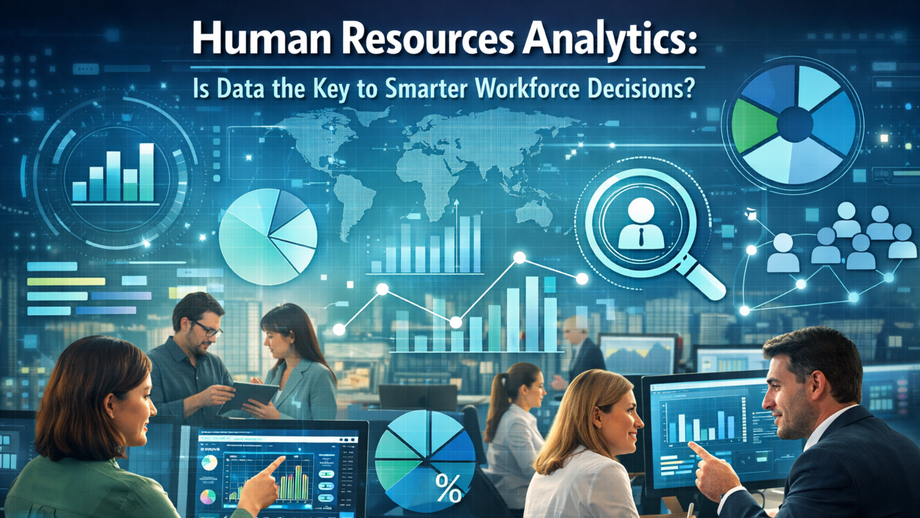
One approach gaining attention is human resources analytics, a method that examines employee-related data to reveal patterns, trends, and insights about the workforce. Instead of viewing HR as only an administrative function, organizations now treat it as a strategic area that contributes to overall growth. By studying workforce information carefully, leaders can understand what motivates employees, identify challenges early, and create policies that support both business goals and employee well-being.
Understanding the Role of Data in Workforce Management
Organizations generate a large amount of employee-related information every day. Attendance records, performance reviews, recruitment results, and engagement feedback all provide valuable insights into how a workforce functions. When this information is carefully examined, it can reveal patterns that may otherwise remain hidden.
For example, workforce data can highlight trends in employee turnover or identify departments where productivity levels fluctuate. These patterns help organizations understand whether issues are related to workload, management practices, or communication gaps. Instead of guessing the reasons behind these challenges, leaders can use evidence to guide improvements.
Another important benefit is better planning. By examining historical workforce data, companies can anticipate staffing needs, prepare for seasonal demand, and allocate resources more effectively. This proactive approach allows organizations to respond to changes quickly while maintaining a stable and productive work environment.
How Human Resources Analytics Supports Better HR Strategies
Modern organizations increasingly use human resources analytics to improve decision-making across many aspects of workforce management. By analyzing employee data, HR teams can design strategies that are based on real evidence rather than assumptions.
One of the most common applications is recruitment improvement. Examining past hiring outcomes can help organizations identify which recruitment channels bring the most successful candidates. This insight allows HR teams to refine their hiring strategies and focus on methods that consistently attract qualified professionals.
Another important use is employee retention. Workforce data can reveal early warning signs that employees may be considering leaving, such as declining engagement or reduced participation in team activities. Recognizing these signals early allows organizations to address concerns before valuable talent is lost.
Additionally, data-driven insights can support performance development. By reviewing patterns in employee performance and training outcomes, companies can design development programs that help individuals grow while strengthening the overall workforce.
Building a Data-Driven Culture in Human Resources
Creating a workplace that values informed decision-making requires more than collecting data. Organizations must also develop a culture where workforce insights are regularly used to guide strategies and improvements.
One important step is transparency. Employees are more likely to trust workplace initiatives when they understand how information is used and how it contributes to improving their work environment. Clear communication about workforce policies and decision-making processes helps build this trust.
Another key factor is collaboration. HR teams often work closely with leadership, managers, and employees to interpret workforce insights and develop effective solutions. When different departments share knowledge and perspectives, organizations can create strategies that address real workplace needs.
Ultimately, the goal of data-driven HR practices is not simply to measure employee behavior but to create a more supportive and productive environment. When organizations use workforce insights responsibly, they can strengthen employee satisfaction while improving long-term organizational success.