Modern workplaces are filled with constant notifications, conversations, emails, and digital interruptions. While collaboration and communication are important, frequent interruptions can make it difficult for employees to stay focused on important tasks. Many professionals struggle to maintain concentration during working hours, which ultimately impacts productivity and efficiency. Understanding the causes of interruptions and learning effective ways to manage them can help create a more focused and productive work environment.
What Causes Workplace Interruptions?
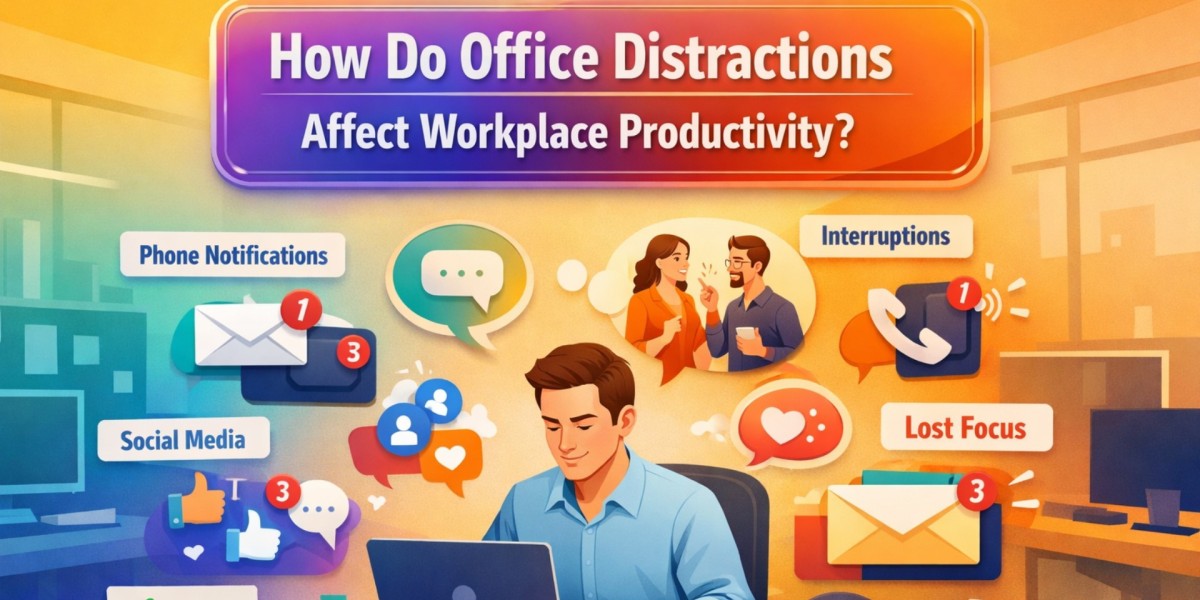
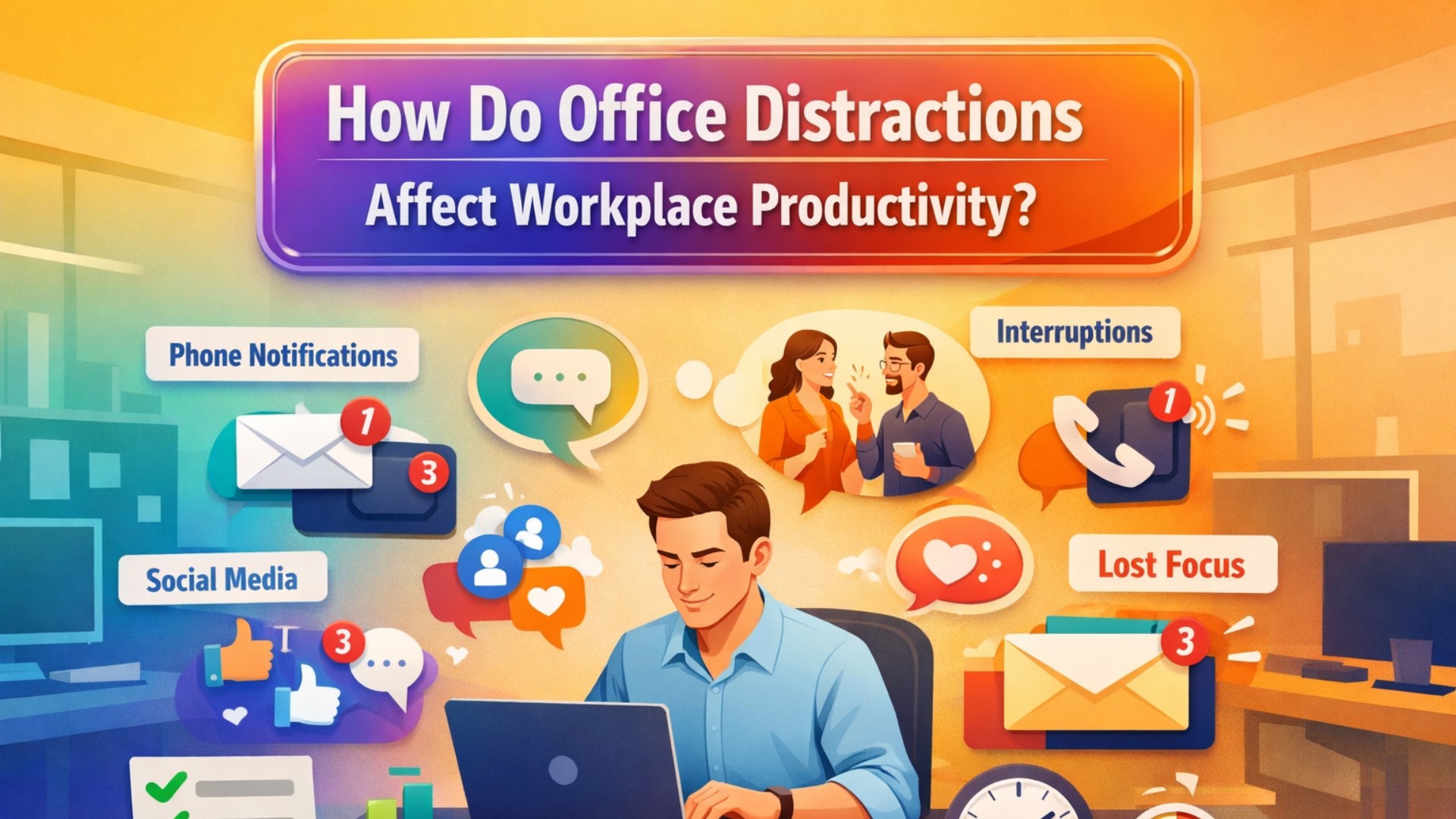
Several factors contribute to reduced focus in the workplace. Digital communication tools, social media notifications, and frequent meetings often break the flow of work. Additionally, open office layouts can increase noise and visual distractions, making it harder for employees to concentrate.
Other common causes include unclear priorities, multitasking, and constant email alerts. When employees switch between tasks frequently, the brain requires extra time to regain focus, which reduces overall efficiency.
Why Focus Matters for Productivity
Focus plays a crucial role in delivering high-quality work. When employees can dedicate uninterrupted time to important tasks, they are more likely to produce better results in less time. Consistent interruptions often lead to mistakes, missed deadlines, and increased stress.
A workplace that encourages concentration not only improves individual performance but also benefits the organization as a whole. Teams that manage interruptions effectively often experience better collaboration, smoother workflows, and higher productivity.
How Office Distractions Reduce Work Efficiency
After extended periods of interruptions, employees may struggle to regain their concentration. Office distractions can break mental momentum, forcing workers to repeatedly restart their thought process. This constant shift in attention reduces deep work time and slows down project completion.
Studies show that even short interruptions can significantly impact performance. When employees frequently check messages or switch tasks, their cognitive load increases, leading to fatigue and reduced motivation.
Strategies to Minimize Interruptions at Work
Organizations can implement several strategies to create a more focused work environment.
- Encourage Deep Work Sessions
Allow employees to block specific hours for focused work without meetings or unnecessary communication.
- Manage Notifications
Reducing non-essential alerts and encouraging scheduled email checks can help employees stay concentrated on priority tasks.
- Improve Workspace Design
Quiet zones or dedicated focus areas can help employees work without noise or constant interruptions.
- Use Productivity Monitoring Tools
Tools like EmpMonitor help organizations analyze productivity patterns, track work activity, and identify potential productivity gaps. By understanding how time is spent during work hours, companies can create better strategies to support focused work.
- Set Clear Work Priorities
Clear task management helps employees avoid unnecessary multitasking and stay focused on the most important assignments.
Role of Technology in Managing Workplace Focus
Technology can both create and solve productivity challenges. While digital tools sometimes cause interruptions, they can also help organizations monitor work patterns and improve efficiency.
Solutions offered by EmpMonitor allow managers to track productivity insights, analyze workflows, and identify time-consuming activities. These insights help businesses create structured work environments that encourage better focus and performance.
Summary
Maintaining focus in a busy workplace can be challenging, but it is essential for productivity and employee well-being. Interruptions from digital tools, meetings, and environmental factors often disrupt concentration and slow down progress. By implementing structured work practices, improving workspace design, and using productivity tools like EmpMonitor, organizations can reduce interruptions and help employees work more efficiently.