
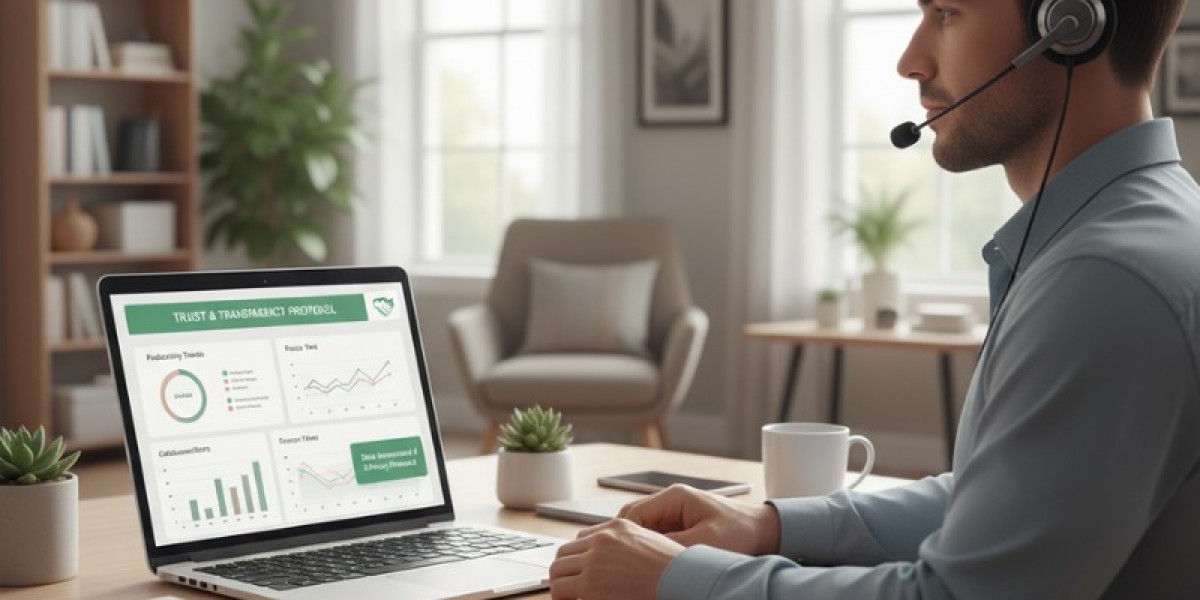
Can organizations truly ensure productivity without sacrificing employee trust in a remote setup? As hybrid and remote work become the norm, leaders face a growing challenge maintaining accountability and performance visibility outside the office.
What Is Remote Employee Monitoring?
Remote employee monitoring refers to the practice of tracking and evaluating how employees perform their work while operating outside a traditional office environment. It can include observing work hours, measuring task completion, and assessing overall productivity. The intent isn’t surveillance but understanding performance patterns, identifying workflow bottlenecks, and ensuring fair performance evaluation.
Remote employee monitoring has emerged as a popular approach, allowing companies to track work activities, ensure focus, and measure outcomes. Yet, the conversation extends beyond oversight; it's about fostering responsibility, transparency, and mutual respect in a virtual workspace.
In a remote environment, visibility is limited. Managers can’t rely on physical presence to gauge productivity, making structured monitoring vital for maintaining clarity. However, it’s equally important that employees feel trusted and empowered. Monitoring should therefore serve as a tool for collaboration and improvement, not control. When implemented correctly, it provides a balance between accountability and autonomy.
Why Do Companies Monitor Remote Teams?
Organizations monitor remote employees to ensure efficiency, maintain consistency, and align team goals. Without direct supervision, it can be difficult to know if projects are progressing on time or if workloads are balanced effectively. Monitoring helps managers identify areas where employees might need additional support, resources, or training.
It also provides transparency in performance assessment. Rather than relying on assumptions, leaders can base evaluations on measurable outcomes. For employees, this creates fairness recognition and rewards are tied to actual contributions, not visibility or availability. Moreover, structured monitoring enhances communication, reduces delays, and keeps distributed teams synchronized with company objectives.
Addressing Privacy and Ethical Concerns
While monitoring offers benefits, it can also raise concerns about privacy and trust. Employees may feel uncomfortable or micromanaged if they perceive the process as intrusive. Therefore, transparency is essential. Companies should clearly explain what is being monitored, why it’s necessary, and how the data will be used.
Ethical monitoring prioritizes respect and consent. Employees should always know when their activities are being tracked and have access to their performance data. Creating open discussions about expectations helps prevent misunderstandings and builds a culture of mutual accountability. The focus should remain on outcomes and collaboration, not constant scrutiny. Trust, after all, is the foundation of any successful remote team.
Benefits of Responsible Monitoring Practices
When applied thoughtfully, remote employee monitoring leads to stronger performance management and improved employee engagement. It allows managers to spot productivity trends, recognize achievements, and address challenges early. Data gathered through monitoring can also guide strategic decisions, helping optimize workloads and resource distribution.
For employees, fair monitoring creates clarity and removes bias from evaluations. It ensures that hard work is visible and appreciated, even when performed remotely. Additionally, transparent monitoring systems promote discipline and time management without adding unnecessary pressure. The result is a more balanced, results-oriented work culture where accountability and flexibility coexist.
Best Practices for Building Trust While Monitoring
To maintain balance, companies must follow best practices that emphasize communication and respect. Start by setting clear expectations about work hours, goals, and deliverables. Discuss monitoring policies openly before implementation to avoid surprises. Limit tracking to essential metrics and focus on project outcomes instead of constant activity checks.
Encourage feedback employees should be able to voice concerns or suggest improvements to the system. Regularly reviewing and updating policies also ensures that monitoring remains fair and relevant. Most importantly, acknowledge that productivity is built on trust. When employees feel supported rather than watched, they are more likely to stay motivated and committed.
Conclusion
The future of work depends on finding equilibrium between performance visibility and employee autonomy. Remote employee monitoring, when done transparently and ethically, strengthens that balance. It helps organizations maintain efficiency, ensure fairness, and foster accountability all while preserving the trust that remote collaboration thrives on. In a digital workplace, the goal isn’t to monitor people, but to empower them to perform at their best.