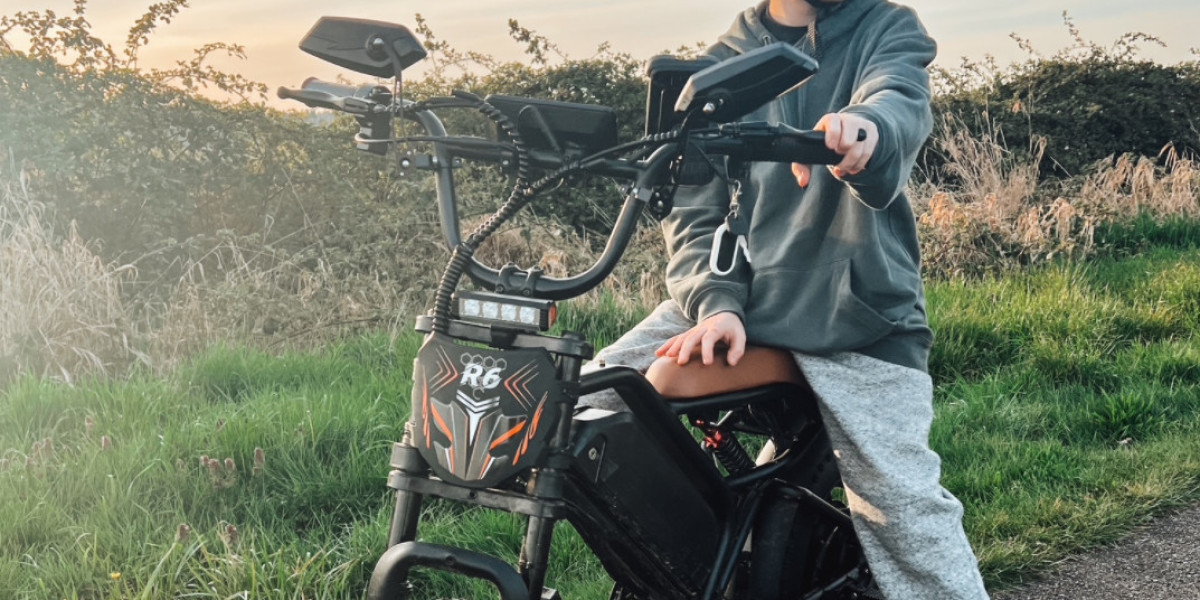
A kids electric bike can be one of the most exciting gifts a child receives. It combines outdoor adventure, technology, and physical activity into a single experience that keeps children engaged and active. However, before purchasing a kids electric bike, parents should understand that not all models are created equal.
The market for electric bikes has grown rapidly over the last few years. Today, families can choose from beginner-friendly electric bikes designed for younger children to more powerful models intended for older riders. While this variety offers more options, it can also make the buying process confusing.
Parents need to consider safety, age appropriateness, battery quality, durability, riding environment, and local regulations. By understanding these factors, families can make a confident purchase that provides years of enjoyment while keeping children safe.
This comprehensive guide explains everything parents should know before buying a kids electric bike, from selecting the correct size to evaluating advanced safety features and understanding maintenance requirements.
Why Kids Electric Bikes Are Becoming So Popular
The Growth of Youth E-Bike Riding
Electric bikes are no longer reserved for adults. Manufacturers have developed youth-focused designs that provide a controlled introduction to powered riding.
Children enjoy the excitement of assisted riding because it allows them to travel farther and explore more terrain without becoming exhausted. Parents appreciate that electric bikes encourage outdoor activity in a world increasingly dominated by screens.
Benefits Beyond Entertainment
A quality kids electric bike offers several benefits:
- Encourages outdoor exercise
- Builds confidence
- Develops balance and coordination
- Teaches responsibility
- Promotes family activities
- Reduces dependence on car transportation for short trips
Additionally, many children find electric bikes more motivating than traditional bicycles, especially when riding uphill or over longer distances.
Understanding How a Kids Electric Bike Works
Main Components
Every kids electric bike includes several core components:
| Component | Function |
| Battery | Stores energy |
| Motor | Provides power assistance |
| Controller | Regulates performance |
| Brakes | Ensure rider safety |
| Frame | Supports rider weight |
| Tires | Provide grip and stability |
Understanding these parts helps parents evaluate product quality.
Motor and Battery Basics
Most youth electric bikes use hub motors or mid-drive motors. For younger riders, lower-powered motors provide a safer experience.
Battery capacity influences riding range. Larger batteries generally allow longer rides but increase overall bike weight.
Parents should prioritize batteries from reputable manufacturers that include safety protections against overheating and overcharging.
Choosing the Right Bike Based on Age
Ages 4–7
Younger children require lightweight electric bikes with:
- Very low speed limits
- Stable frames
- Simple controls
- Smaller wheel sizes
The focus should remain on learning balance and control rather than achieving higher speeds.
Ages 8–12
Children in this age group can often handle:
- Moderate power output
- Larger wheel sizes
- Basic suspension systems
- Longer battery range
Parents should still supervise rides until consistent riding skills are demonstrated.
Teens 13+
Older riders may benefit from more capable electric bikes designed for recreational trails and longer rides.
At this stage, performance becomes more important, but safety should remain the primary concern.
Safety Features Every Parent Should Prioritize
Speed Limiting Technology
One of the most important features in a kids electric bike is adjustable speed control.
Benefits include:
- Better beginner confidence
- Reduced accident risk
- Easier parental supervision
- Progressive skill development
Many modern electric bikes allow parents to select different riding modes.
Reliable Braking Systems
Brakes are arguably the most critical safety component.
Look for:
- Mechanical disc brakes
- Hydraulic disc brakes
- Responsive brake levers
- Easy maintenance
High-quality braking systems can significantly improve rider safety.
Protective Gear Requirements
Children should never ride without:
- Certified helmet
- Knee pads
- Elbow pads
- Gloves
- Closed-toe shoes
Protective equipment dramatically reduces injury risk during falls.
Battery Safety and Maintenance
Charging Best Practices
Battery safety begins with proper charging habits.
Parents should:
- Use only the original charger.
- Charge in a dry location.
- Avoid overnight charging.
- Inspect cables regularly.
- Disconnect after charging is complete.
Following these practices helps maximize battery lifespan.
Storage Recommendations
When storing a kids electric bike:
- Keep batteries partially charged.
- Avoid extreme temperatures.
- Store indoors when possible.
- Protect from moisture.
Proper storage can extend battery life by several years.
Understanding Speed and Power Ratings
Low-Power Models
Low-power electric bikes are ideal for beginners.
Advantages include:
- Better control
- Lower risk
- Longer battery life
- Simpler maintenance
Mid-Power Models
These bikes balance safety and performance.
Suitable for:
- Intermediate riders
- Recreational trails
- Family outings
High-Performance Options
Some older children and teens may seek stronger performance.
Parents should carefully evaluate maturity level before selecting a high-performance model.
Where Children Can Ride Legally
Local Regulations
Electric bike laws vary by location.
Before purchasing a kids electric bike, parents should verify:
- Minimum rider age
- Maximum speed limits
- Helmet requirements
- Public trail access
Rules may differ significantly between regions.
Trail and Park Rules
Many parks have separate policies regarding electric bikes.
Always review local guidelines before allowing children to ride in public recreational areas.
For updated electric bike safety guidance, parents can visit the Consumer Product Safety Commission website: https://www.cpsc.gov
Features That Improve the Riding Experience
Suspension Systems
Suspension improves comfort and control.
Benefits include:
- Reduced vibration
- Better traction
- Increased confidence
- Enhanced off-road capability
Tire Selection
Different tires suit different conditions.
| Tire Type | Best Use |
| Street | Pavement |
| Hybrid | Mixed terrain |
| Fat Tire | Sand, gravel, snow |
| Knobby | Off-road trails |
Adjustable Seating
Children grow quickly.
An adjustable seat allows the bike to remain comfortable over multiple years, increasing overall value.
Comparing Costs and Long-Term Value
Initial Purchase Costs
Electric bike prices vary based on:
- Battery quality
- Motor power
- Frame materials
- Suspension systems
- Brand reputation
While lower-cost options may appear attractive, investing in quality often results in greater long-term satisfaction.
Maintenance Expenses
Typical annual maintenance includes:
- Tire replacement
- Brake adjustments
- Battery care
- Chain lubrication
- General inspections
Fortunately, electric bikes generally require less maintenance than gas-powered alternatives.
Recommended Models for Growing Riders
VICTRIP X9 for Beginners
Families searching for a beginner-friendly electric bike may find the VICTRIP X9 particularly appealing.
Key advantages include:
- User-friendly controls
- Comfortable riding position
- Stable handling
- Suitable range for recreational riding
- Modern design
The VICTRIP X9 offers a balanced combination of safety and enjoyment, making it a strong option for developing rider confidence.
VICTRIP R6 for Advanced Young Riders
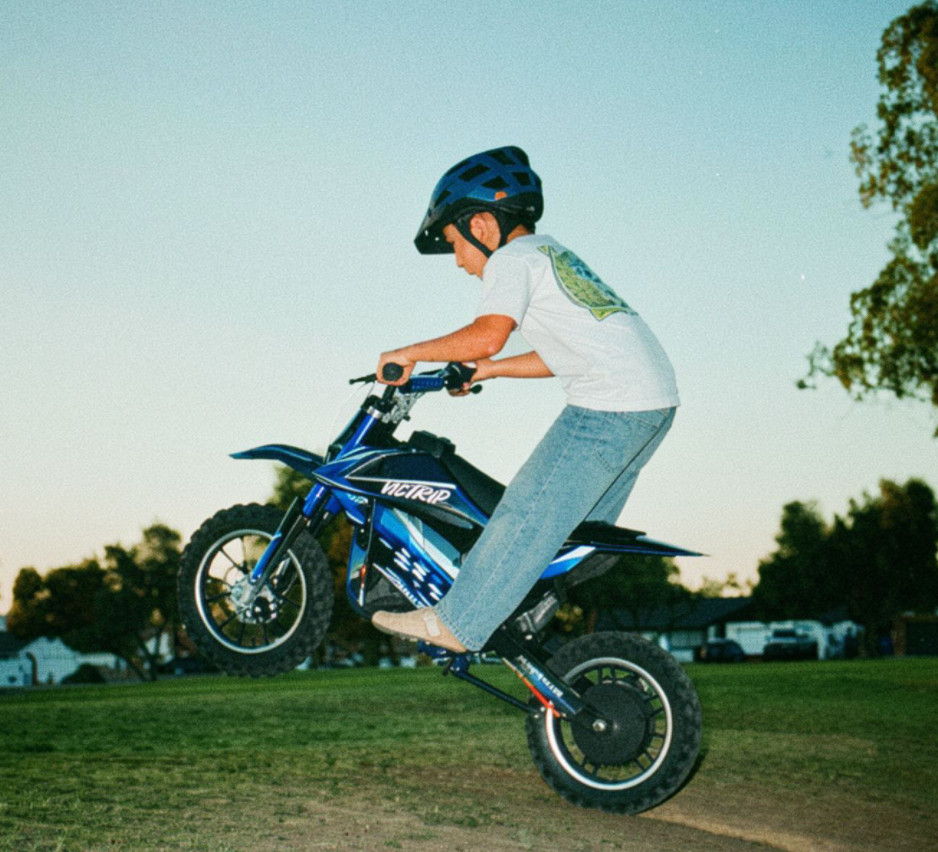
For older children and teenagers seeking more capability, the VICTRIP R6 provides enhanced performance while maintaining rider comfort.
Notable features include:
- Robust frame construction
- Improved riding stability
- Extended range capability
- Versatile terrain handling
- Modern electric bike technology
The VICTRIP R6 is particularly well suited for families who enjoy longer rides and outdoor adventures together.
Environmental Benefits of Electric Bikes
Electric bikes contribute to sustainability by:
- Reducing vehicle emissions
- Lowering fuel consumption
- Encouraging eco-friendly transportation
- Supporting cleaner communities
Teaching children environmentally responsible transportation habits can have lasting benefits.
Common Mistakes Parents Make
Several mistakes occur repeatedly when purchasing a kids electric bike:
Buying Based Solely on Speed
Speed should never be the primary factor.
Safety, control, and reliability matter far more.
Ignoring Weight
Heavy bikes can be difficult for children to manage.
Always consider rider size and strength.
Overlooking Battery Quality
Poor battery quality can lead to:
- Reduced range
- Shorter lifespan
- Safety concerns
Choosing the Wrong Size
A bike that is too large may feel intimidating and unsafe.
Proper fit improves confidence and control.
Skipping Safety Training
Every child should receive instruction regarding:
- Braking techniques
- Turning safely
- Obstacle awareness
- Traffic rules
Frequently Asked Questions
1. What age is appropriate for a kids electric bike?
Many manufacturers offer models suitable for children as young as four years old. Parents should follow age recommendations and evaluate riding maturity.
2. Are kids electric bikes safe?
Yes, when properly sized, equipped with safety features, and ridden with protective gear under supervision.
3. How fast should a child's electric bike go?
Beginners should use lower-speed models. Older children with experience may safely handle higher speeds depending on local regulations.
4. How long does a battery typically last?
Most quality batteries provide several years of service when charged and stored correctly.
5. Do children still get exercise on an electric bike?
Absolutely. Riders continue pedaling, balancing, steering, and engaging muscles throughout the ride.
6. Is the VICTRIP X9 suitable for beginners?
Yes. The VICTRIP X9 offers user-friendly controls and stable handling that make it attractive for developing riders.
7. Is the VICTRIP R6 suitable for older kids?
The VICTRIP R6 is often a better fit for older children and teens who want additional capability and longer riding adventures.
8. What protective gear is essential?
At minimum:
- Helmet
- Gloves
- Knee pads
- Elbow pads
- Closed-toe footwear
Conclusion
Buying a kids electric bike is an exciting decision that can encourage outdoor exploration, confidence, and family bonding. However, choosing the right model requires careful consideration of age, safety features, battery quality, riding environment, and long-term value.
Parents should prioritize safety over speed, invest in proper protective equipment, and ensure children understand responsible riding practices. By selecting a high-quality electric bike and providing appropriate supervision, families can enjoy years of safe and memorable adventures.
Whether you're considering an entry-level option like the VICTRIP X9 or a more advanced model such as the VICTRIP R6, focusing on rider safety and suitability will help ensure the best possible experience for your child.