
Is your field team struggling with delays, miscommunication, or scheduling chaos? You’re not alone. Companies relying on mobile workers often face challenges in tracking assignments, maintaining productivity, and ensuring customer satisfaction. That’s where field service software steps in. With rising customer expectations and shrinking service windows, businesses need smarter ways to streamline operations and empower technicians on the move.
What Is This Technology and Why Is It Essential?
This technology is a digital solution designed to help businesses manage off-site workers and their tasks more efficiently. It includes features for scheduling, dispatching, tracking, reporting, and customer communication. For industries such as utilities, HVAC, telecommunications, and home repair, this technology significantly minimizes paperwork and streamlines manual coordination.
One of the most asked questions is: Why is this software essential today? The answer lies in the increasing complexity of service requests and demand for real-time updates. Manual methods can no longer keep pace with the demands of fast-moving, modern operations. With proper implementation, businesses gain full visibility into workforce activities, leading to faster service delivery, fewer errors, and better customer experiences.
How Does It Improve Scheduling and Resource Allocation?
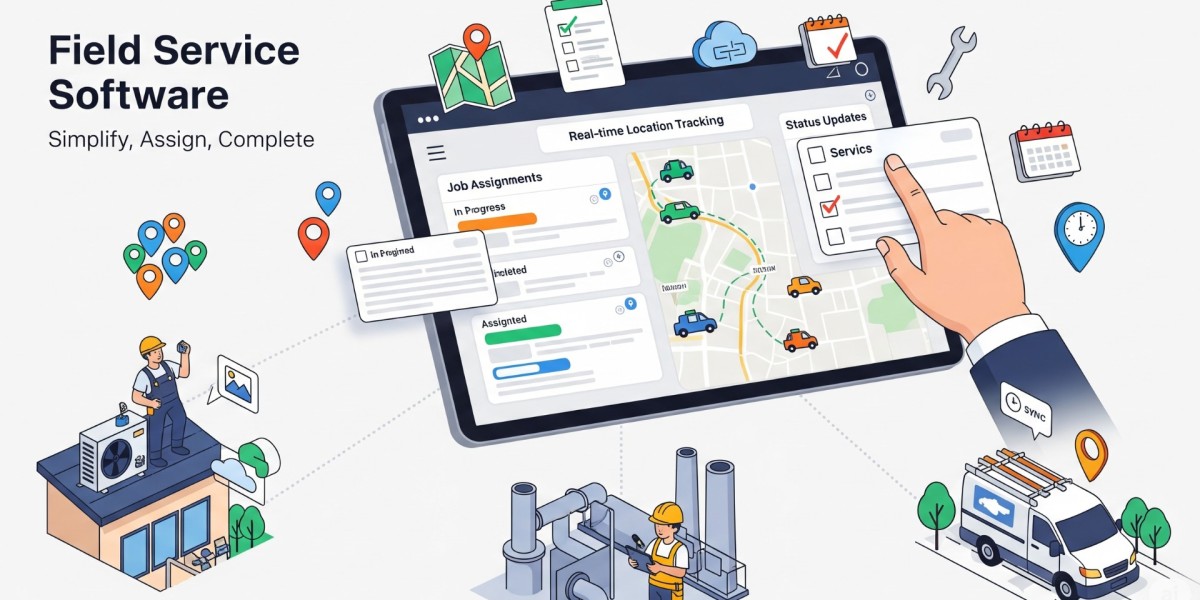
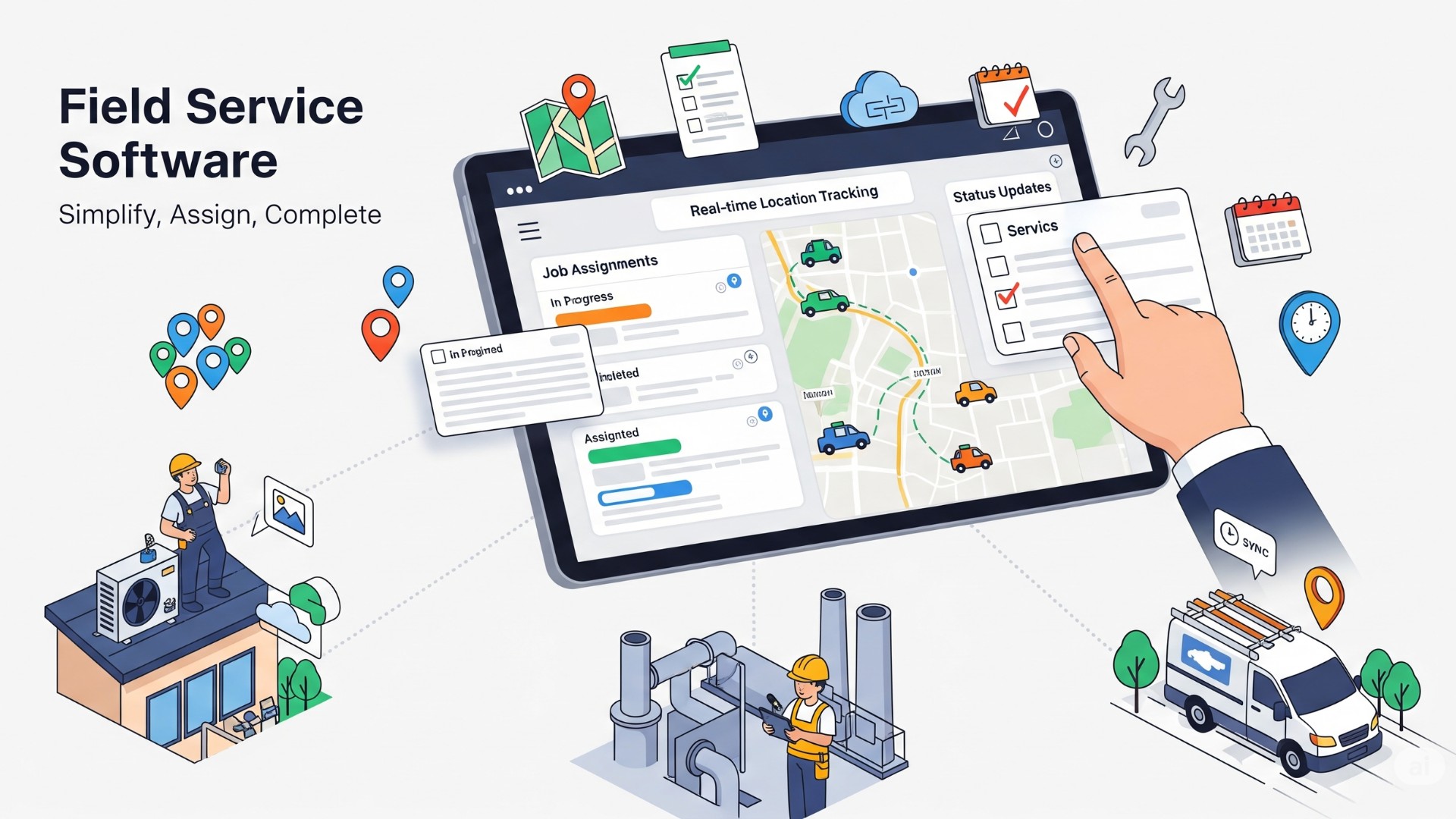
Effective scheduling is crucial for field operations. Without it, technicians may arrive late, miss appointments, or waste time in transit. Field service platforms intelligently assign jobs by matching technician skills, location, and availability, so the right expert arrives at the right place at the right time.
These systems automatically alert workers about schedule changes and updates, eliminating confusion. With dynamic scheduling tools, businesses can respond to last-minute emergencies or cancellations without disrupting the day’s operations. This agility reduces downtime and boosts customer satisfaction by honouring service windows and commitments.
Can It Enhance Communication and Customer Experience?
Clear, timely communication between office teams, technicians, and customers is critical for smooth service execution. Delays or miscommunication can lead to dissatisfied clients and costly repeat visits. Field service platforms bridge these gaps by offering real-time messaging and job status updates.
Customers benefit from appointment reminders, technician ETAs, and service summaries, which build trust and transparency. Technicians access customer history, equipment details, and instructions on mobile devices, minimizing errors and boosting first-time fix rates. This creates a seamless, professional experience that customers appreciate.
What Reporting and Compliance Benefits Can You Expect?
Accurate recordkeeping goes beyond regulatory requirements; it is essential for operational analysis and decision-making. Field service software automatically logs service data, technician activities, and job completion times, simplifying audits, billing, and compliance with standards.
Managers generate performance reports to spot trends, identify bottlenecks, and address training needs. With analytics-driven insights, businesses set realistic KPIs, shorten service delivery times, and optimize operations. Documented job histories support warranty claims and provide legal protection, offering peace of mind to providers and clients.
How This Technology Drives Long-Term Operational Growth
Once operational visibility and service efficiency are established, companies can shift from reactive to proactive service models. Preventive maintenance and better workforce planning become possible when real-time data flows across departments. This transformation isn’t just about solving problems; it’s about future-proofing operations for growth.
By removing inefficiencies and fostering accountability, this technology transforms from a simple tool into a strategic asset. It enables businesses to meet service-level expectations while lowering costs and increasing customer retention.
Final Thought
In today’s service-driven economy, excellence is expected. Businesses relying on field teams can no longer afford fragmented processes or missed appointments. Investing in streamlined, digital solutions that unify scheduling, communication, and reporting is essential for survival and growth. If your goal is to deliver on-site services with speed, accuracy, and customer satisfaction, now is the time to rethink how your operations are managed.