

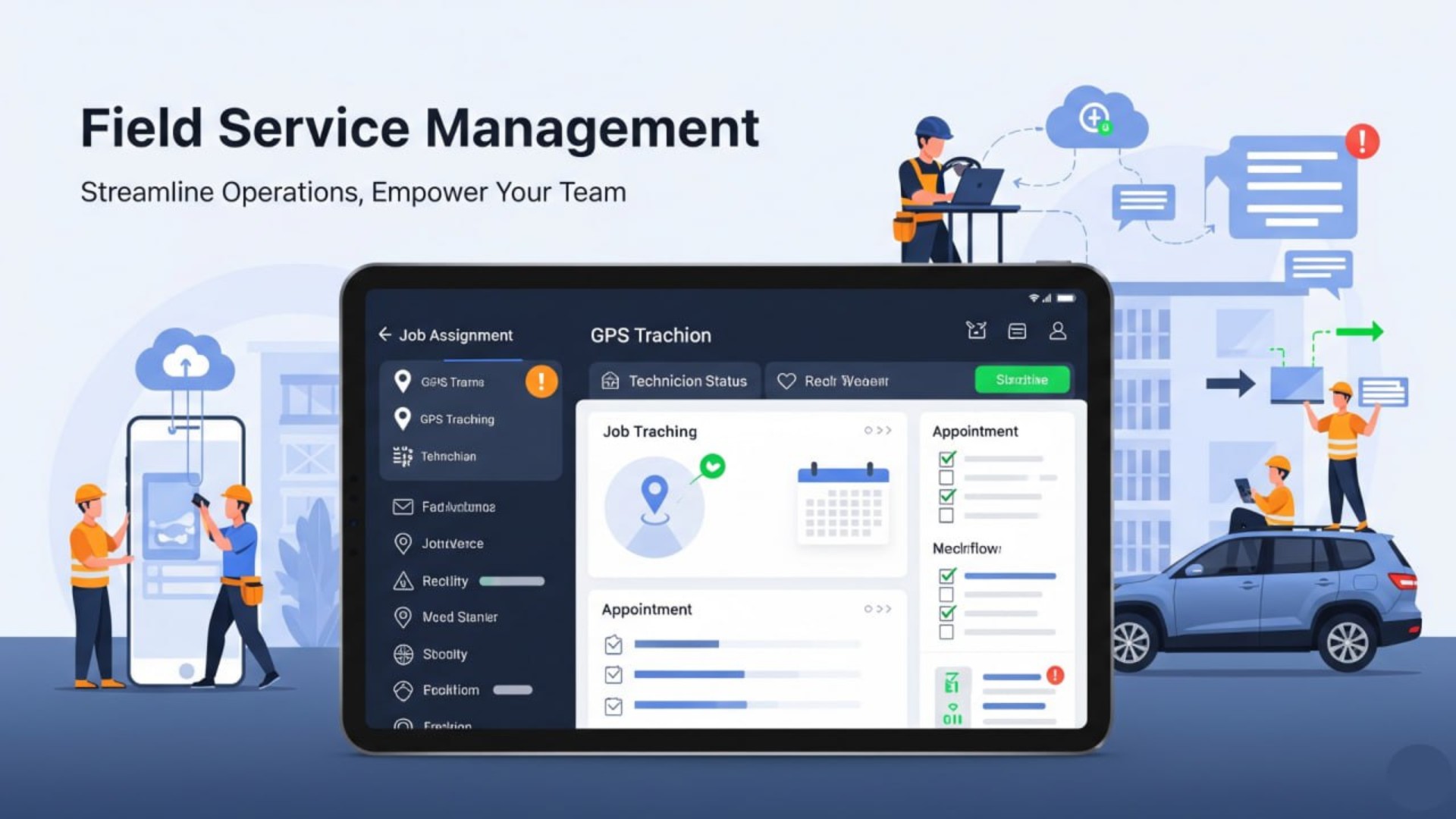
Ever wondered how companies keep their on-site technicians efficient, punctual, and well-informed all at once? Field service management is the behind-the-scenes powerhouse that makes it all possible. Whether it’s repairing utilities, installing equipment, or maintaining systems, this operational approach ensures the right people, parts, and processes come together to deliver seamless service experiences.
As businesses scale and customer expectations rise, smarter, more streamlined coordination in the field becomes non-negotiable. Let’s explore the core components of this system and understand why it remains vital to operational success in today’s business landscape.
What Does This Operational System Involve?
At its core, it involves coordinating a company’s resources, whether on-site or in transit, to efficiently meet customer needs at their locations. This includes scheduling appointments, dispatching technicians, managing inventory, and ensuring timely communication with clients. It's not just about moving personnel, it’s about ensuring they arrive equipped, informed, and ready to resolve the issue efficiently.
A key element of success in this domain is real-time visibility. Managers need to track team locations, monitor job progress, and anticipate unexpected delays to ensure operations remain efficient and uninterrupted. Accurate documentation supports performance reviews, maintains regulatory compliance, and highlights opportunities for operational improvement. Together, these components enhance both the customer experience and internal operations.
Why Is Efficient Scheduling So Important?
One of the most pressing questions for service-based businesses is: how can we make the best use of our technicians’ time? Scheduling isn’t just about filling slots; it’s a strategic decision that impacts fuel usage, productivity, and customer satisfaction. Poor scheduling can cause delays, missed appointments, or assigning the wrong personnel.
Effective scheduling takes into account technician expertise, the urgency of the task, location logistics, and individual client preferences. Done right, it reduces downtime, ensures faster job completion, and improves first-time fix rates. It strengthens customer trust while simultaneously reducing operational costs. In essence, scheduling is the backbone of a responsive, reliable service model.
How Does Communication Influence Service Quality?
Strong communication is essential, both between managers and technicians, and between service providers and their customers. Clear, consistent updates build transparency and trust. Customers expect to know when assistance will arrive, what the service entails, and how long it will take. Field agents, meanwhile, need access to job details, customer history, and possible challenges. Field service management supports this communication flow by ensuring everyone involved stays informed, aligned, and equipped to respond effectively.
When communication breaks down, confusion and repeat visits follow. Done right, it bridges gaps and enhances collaboration. Confirmation messages, status updates, and post-service follow-ups improve the customer journey. Internally, effective communication reduces overlap, prevents errors, and sharpens technician performance.
What Are the Key Benefits of Adopting Field Service Practices?
Field service transforms disjointed service operations into a streamlined system. By aligning teams, data, and workflows, businesses deliver faster response times, fewer errors, and consistent service quality.
It also enables more accurate forecasting and resource planning. Managers can use insights to predict resource needs, identify peak times, and improve job allocation. It even supports a proactive model, where issues are anticipated and resolved before customers notice.
As expectations evolve, companies with strong service frameworks are more likely to retain clients and build long-term credibility. It's more than just a technical function, it's a strategic asset that drives long-term success.
Wrapping Up
Field service is no longer a back-end function; it’s the front line of customer experience. In a world that values speed, accuracy, and personalization, a well-managed service operation makes all the difference. By investing in smarter scheduling, stronger communication, and cohesive workflows, businesses don’t just meet demand, they consistently exceed it.