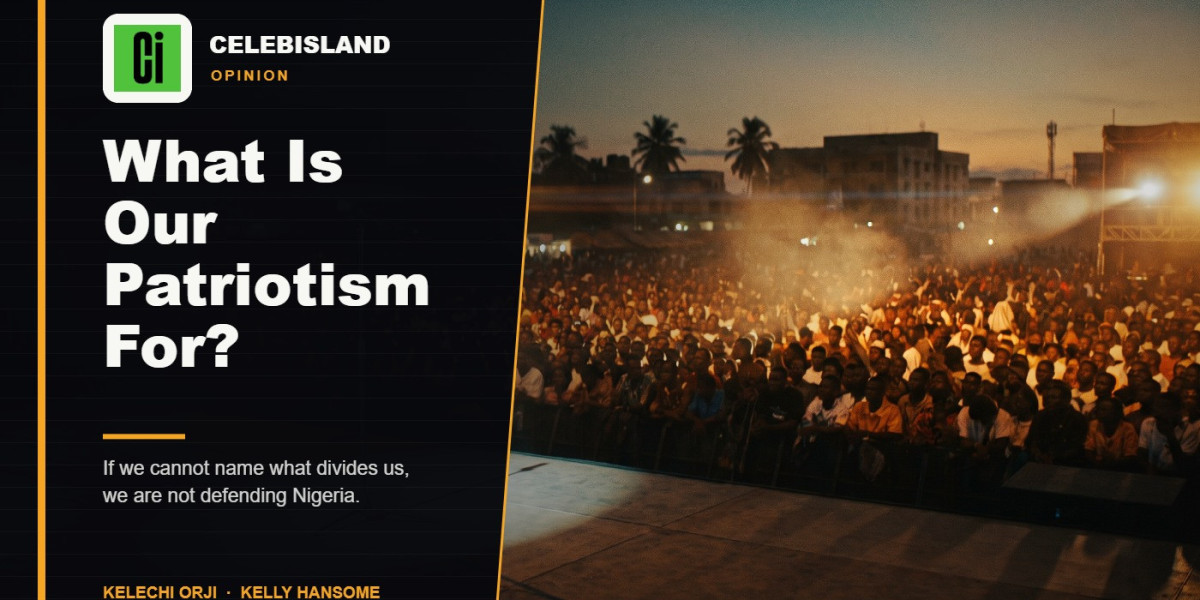
If we cannot name the thing that divides us, we are not defending Nigeria. We are only defending our comfort.
By Kelechi Orji (Kelly Hansome)
There is a trick that gets played on anybody in this country who says the word tribalism out loud.
You name the problem, and within an hour you are the problem. The comments arrive. He is bitter. He is the one dividing us. He is the tribalist. Nobody engages with what was actually said. They engage with who said it, and where he is from, which is, if you think about it for one second, the exact behaviour he was describing.
I want to make an argument here rather than a complaint. So let me start with a question, and I would like anybody who disagrees with me to answer it honestly before they reply to anything else.
What is our patriotism for, if it goes silent at the first uncomfortable subject?
Silence is not unity
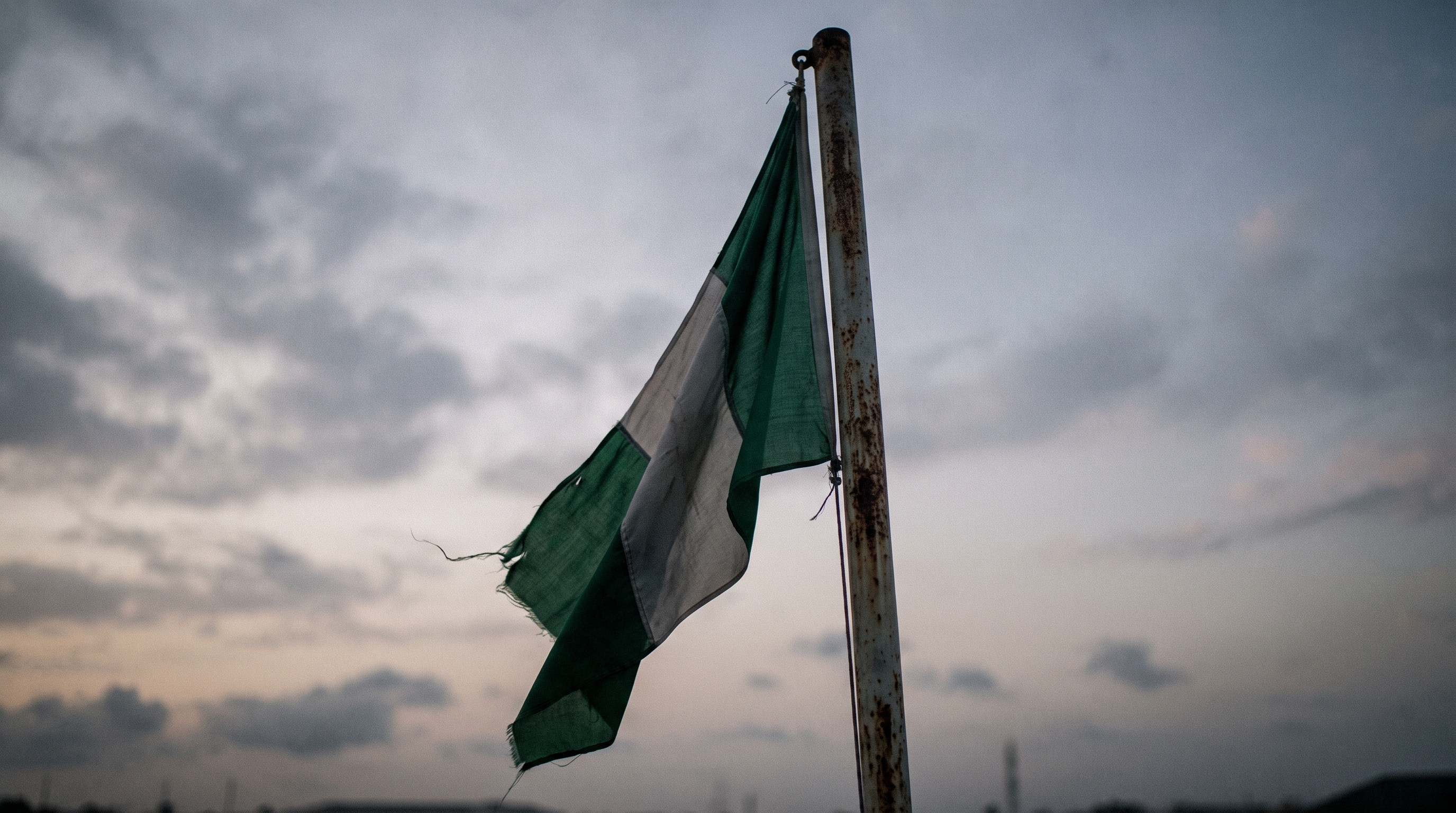
We are quick with the flag. Quick with the green and white. Quick to say we are one Nigeria when a team is playing, when an artist wins something abroad, when the world is watching.
And we are quicker still to say nothing at all when something in our own house is rotten.
That is not unity. That is a photograph of unity. Unity is what you do when it costs you something, and the thing it usually costs is your comfort in a room full of people who would rather you changed the subject.
I have noticed a pattern, and I do not think I am the only one. When somebody says something positive about Nigeria, three people repost it. When somebody says something is wrong with Nigeria, three hundred people arrive to explain why the person saying it is the real problem. The energy is available. It only gets spent in one direction.
A country where it is easier to attack the person naming a problem than to look at the problem is a country that has agreed not to fix it.
The thing I am actually saying
Let me be precise, because precision is what usually goes missing in this argument.
I am not saying any group of Nigerians is tribalist. I am not saying anybody hates anybody. I have worked with people from every part of this country and I will keep doing it.
I am saying something narrower and, I think, harder to dismiss: the machinery of our entertainment industry distributes support unevenly, along lines that are not about talent, and most of the people operating that machinery have never once been asked to look at it.
Not malice. Structure. And structure is more dangerous than malice, because malice can be shamed and structure just keeps running.
Look at the billboard
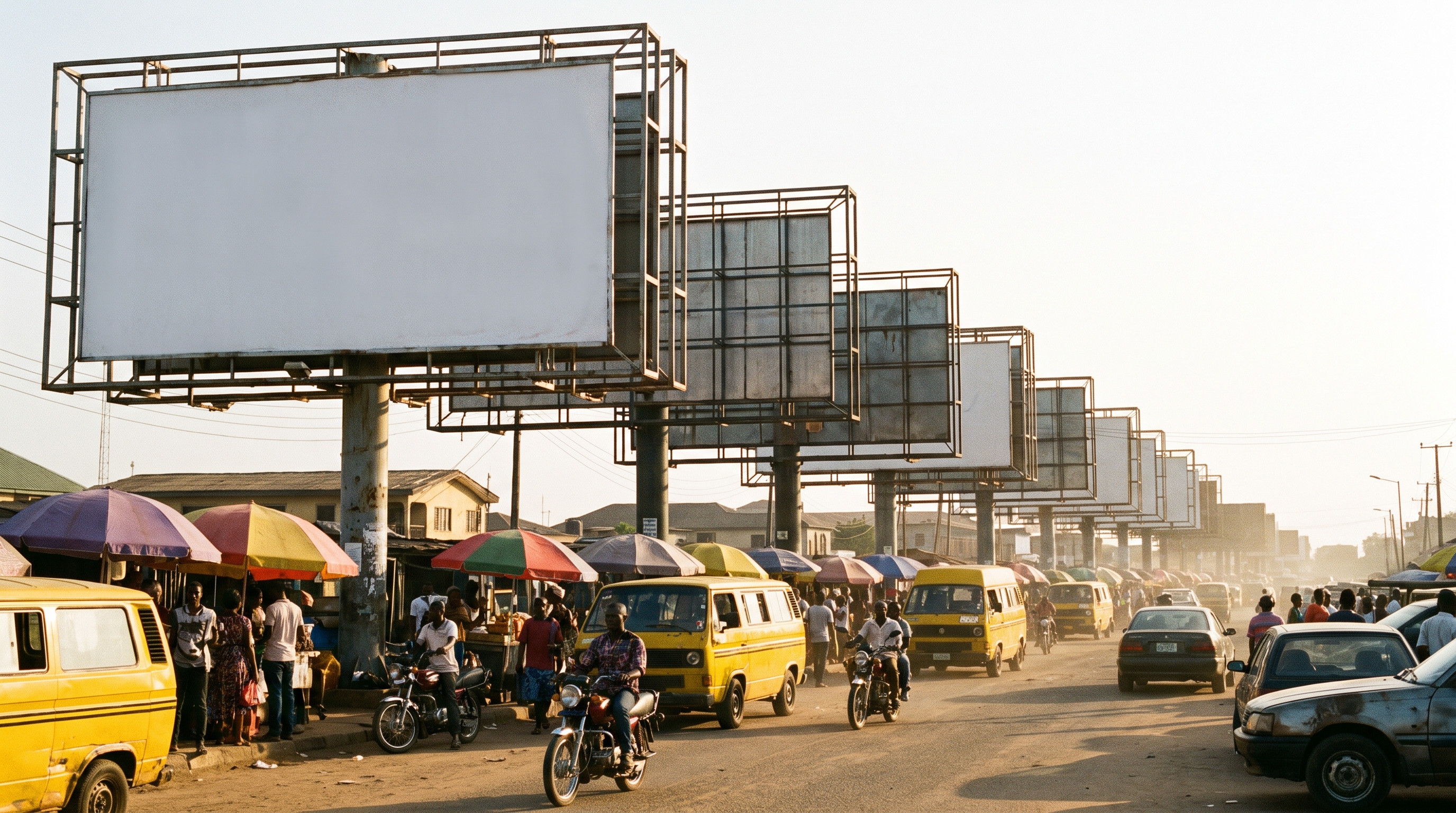
Here is the smallest possible version of what I mean, and I chose it because it removes every emotional argument and leaves only a fact you can see with your eyes.
An artist travels to perform in a city that is not his own. A show is put together. A billboard goes up.
Now look at the billboard.
Who is on it? Is there a single artist from that city on it? A single act from that region on the undercard? Was the local scene given the support slot, the radio drop, the picture on the poster? Or did an entire show land in somebody else's town, take the crowd, take the money, and leave without a single face from that town on the artwork?
I am not accusing any particular promoter of anything. I am asking you to check the last five posters you saw and count.
Because this happens in one direction more often than it happens in the other, and everybody in the industry knows it, and almost nobody says it. When a Lagos act goes to the South East or the South South or the North, the machine travels with him. When an act from outside Lagos comes to Lagos, he arrives alone and is told to build a buzz first.
That is not a talent gap. That is an access gap wearing a talent gap's clothes.
The honest counterargument, because there is one

I am not going to pretend the other side has nothing.
People support what is near them. That is human, it is not evil, and it happens in every country on earth. Lagos is the commercial centre, so the labels, the studios, the radio, the money and the press are there, and that concentration has economic causes that have nothing to do with anybody's grandmother.
An artist from Enugu who moves to Lagos is not being resisted because of where he is from. He is arriving in a market where everybody is fighting for the same twelve gatekeepers.
All of that is true. I accept it. Here is why it does not close the argument.
A system can produce an unfair outcome without a single person in it intending unfairness. That is precisely what makes it hard to fix, and precisely why it needs to be said out loud rather than felt privately by the people it happens to. If the explanation is economic rather than ethnic, then say so and let us look at the numbers. But do not tell the person who raised it that he is the bigot, because that is not an argument. That is a way of ending a conversation.
The test I would like us to use

Arguments about tribalism go nowhere because everybody defends their intentions, and nobody can see inside anybody else. So stop asking about intentions and ask about outputs.
Four questions. They apply to a promoter, a label, a radio station, a streaming editor, a festival, a brand, a blog.
One. In the last twelve months, how many of the artists you pushed came from outside your own region? Not one. A number.
Two. When you built a stage in somebody else's city, did anybody from that city stand on it?
Three. When you look at your playlist, your lineup, your roster, would a stranger be able to guess where you are from?
Four. When you last passed on somebody, was it the music, or was it that you did not know anybody who could vouch for him?
Question four is the one that hurts, because vouching is how this industry actually works, and who can vouch for you is decided by where you are from far more often than anybody admits.
I have asked myself all four. I did not like all of my answers. That is the point of a test.
Why this matters beyond music
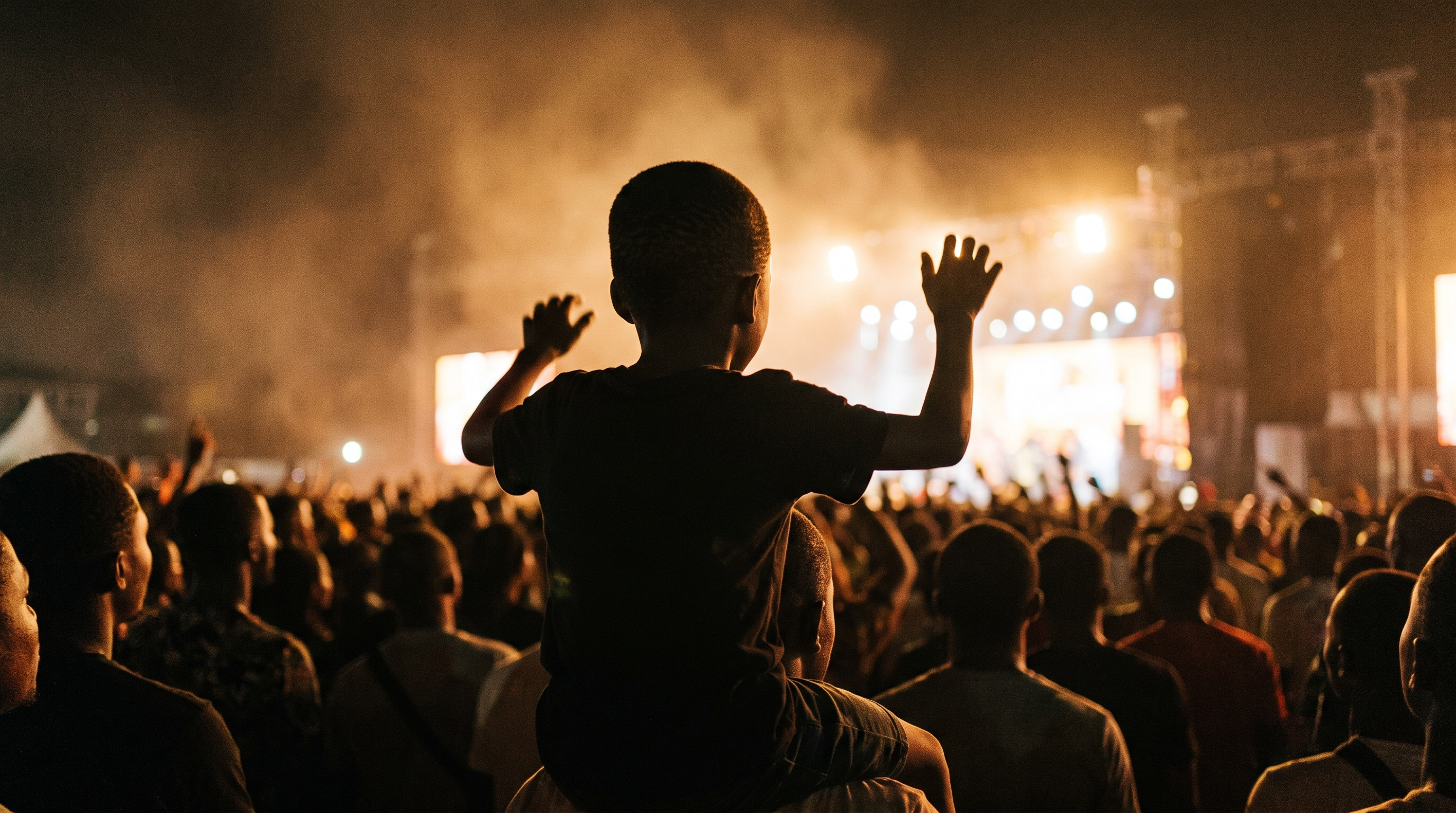
Somebody will say this is entertainment, it is not serious, there are bigger problems.
Entertainment is where a country rehearses what it believes about itself. The stage teaches the country who is allowed to be a star. If the answer is quietly that it depends where you are from, that lesson does not stay on the stage. It walks into every other room in Nigerian life, and we have all seen where those rooms lead.
The gap does not close because we stop mentioning it. It closes because enough people in the industry look at their own poster, their own playlist, their own last twelve months, and decide to do one thing differently.
So, back to the question
If patriotism means anything, it cannot mean only cheering.
It has to include the harder thing: saying that something in our own house is threatening the unity we claim to be proud of, and saying it knowing that a certain number of people will decide it is easier to attack you than to check their own poster.
I am prepared for that. I would rather be called divisive for naming a division than be called patriotic for pretending it is not there.
Support the artist because the record is good. Put the local act on the local bill. Ask who your last twelve months favoured. That is all any of this asks.
We are either one Nigeria in the parts that cost us something, or we are one Nigeria in a photograph.
This is an opinion piece. Comments are open on CelebIsland under our community standards: argue with the point, not the person.